
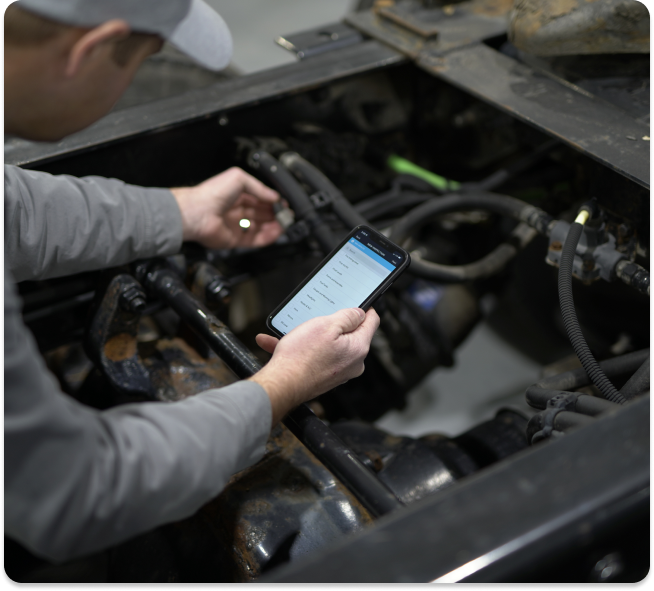
In the current transport industry, where uptime and efficiency are everything, technology is an important factor in ensuring that fleets continue to run. Among such technologies that have revolutionised automobile servicing is the On-Board Diagnostics system, or OBD2 for short. Initially created for motor vehicles, the OBD2 system has now become an integral component of modern-day trucks, enabling owners to detect faults at an early stage, save on repair costs, and enhance vehicle performance.
What is OBD2?
OBD2 (On-Board Diagnostics, version 2) is an industry-standard system that tracks and informs about the status and performance of a car. It accumulates data from a variety of sensors and electronic control units (ECUs) of the car and stores useful information about the engine efficiency, emissions, and even errors.
Every truck with an OBD2 port allows mechanics or fleet administrators to hook up a scanner and pull fault codes simply. The Diagnostic Trouble Codes (DTCs) take them directly to the trouble spots, time that was once wasted searching the vehicle manually.
How OBD2 Benefits Truck Operators
For those trucks running thousands of miles per week, preventive maintenance is paid back tenfold in cost savings over emergency repair. An OBD2 diagnostic tool for trucks serves as an interface between the internal complexity of the vehicle and the mechanic. It gives real-time feedback on fuel inefficiency, emission anomalies, or faulty sensors.
For instance, when the "check engine" light on a truck comes on, the OBD2 system automatically records a fault code readable with a compatible reader. Rather than a guesswork diagnosis, a mechanic can pinpoint the fault, a bad oxygen sensor or transmission problem and repair it before it becomes costly. Not only does this save on downtime, but it also avoids small problems from becoming costly repairs.
Smarter Maintenance via Data
The next-generation OBD2 equipment is not just for error detection. It monitors fuel consumption, idle time, and driver behaviour in real time, continuously. This allows fleet managers to schedule maintenance by wear and usage rather than scheduled intervals.
This predictive method ensures that trucks are serviced when necessary, making the equipment more reliable and the life of vital parts longer. Additionally, consistent monitoring can detect trends such as when one truck consistently has the same fault codes; this may indicate a recurring problem that requires more focus.
Environmental and Economic Benefits
A well-kept truck isn't only more efficient, but it's also cleaner. The OBD2 system checks emissions-related parts to meet environmental standards. With the ability to detect problems such as defective exhaust gas recirculation valves or plugged filters, the system lowers emissions of toxic pollutants as well as fuel consumption.
From a financial perspective, fuel efficiency is the largest single cost factor in any transport operation. Even relatively small decreases in fuel usage, by better monitoring and servicing in a timely manner, can yield enormous long-term cost savings in a fleet.
The Role of Technology in Fleet Management
As trucks develop, so do their diagnostic platforms. More and more companies are integrating OBD2 data into electronic fleet management systems for real-time monitoring and analysis. For example, solutions from companies like Kinectd allow fleet operators to remotely view vehicle condition, get automatic alerts, and create detailed maintenance reports, all from OBD2 data.
The combination of the diagnostic systems forms anticipatory decision-making. The managers can spot failing trucks, anticipate component failure, and route-optimise all helping towards safer, more efficient operations.
The Future of Truck Diagnostics
The OBD2 standard is also changing, and newer standards introduce additional communication features and broader sensor coverage. In the near term, the union of telematics and OBD2 diagnostics will revolutionise fleet maintenance. Trucks won't report trouble—they'll anticipate it, alerting technicians before a breakdown is imminent.
In an industry where lost time is lost profits, embracing an OBD2 diagnostic tool for trucks is no longer optional, it’s imperative. It gives operators the information and insight to maintain reliability, reduce costs, and have their fleets on the road in a more competitive marketplace.