
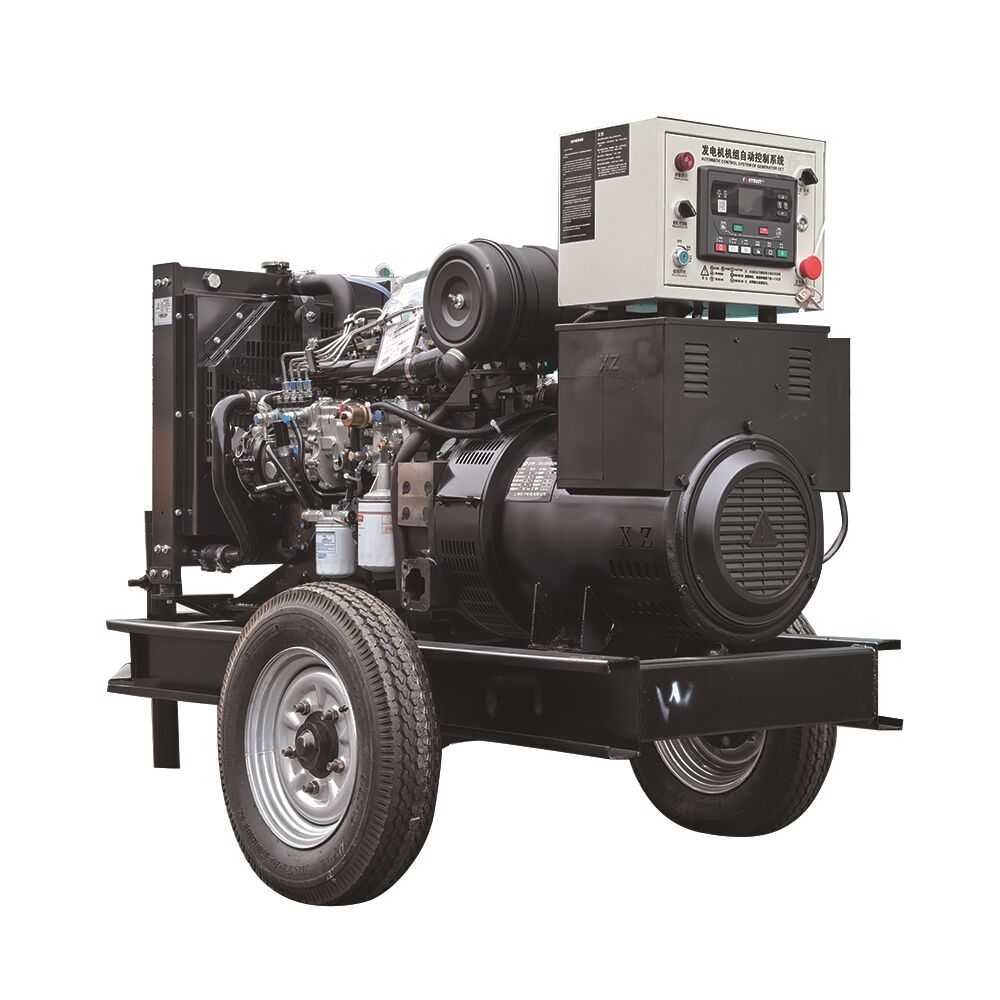
As planetary vitality demands continue to grow, the need for effective, trusty, and property superpowe multiplication has never been more vital. Diesel, petrol, and gas generator sets have long been fundamental frequency to providing stand-in and primary great power in various industries, homes, and remote locations. However, with the maximising urging to passage towards cleaner energy sources and reduce carbon emissions, these orthodox generators face substantial challenges in the context of use of future superpowe multiplication. Despite the squeeze from inexhaustible vim sources like solar and wind, fogey-fuel-powered generators are unsurprising to remain requirement for many applications in the predictable time to come, albeit with technical advancements and adaptations to meet evolving environmental and worldly demands.
Diesel-powered author sets have traditionally been the backbone of heavily-duty superpowe solutions, particularly in industries like construction, minelaying, and husbandry, as well as for backup man great power in municipality areas. Diesel engines are known for their durability, fuel efficiency, and power to create high great power output in a bundle off plan. However, the diesel engine generator commercialize is under profit-maximizing scrutiny due to state of affairs concerns. Diesel engines emit high levels of atomic number 7 oxides(NOx) and particulate matter matter to, tributary to air pollution and climate transfer. In reply, manufacturers are developing cleaner diesel engine technologies, including high-tech filtration systems and hybrid models that incorporate inexhaustible vitality sources. The futurity of diesel generator sets may lie in these innovations, which could help reduce their state of affairs touch on while maintaining their operational dependability.
On the other hand, gasoline generator sets are often used for smaller-scale applications, such as backup man world power for homes, outdoor events, or small businesses. Gasoline engines are in the main more low-cost than their diesel engine counterparts and are easier to maintain. They also have a lower upfront cost, qualification them nonclassical in residential settings. However, petrol generators are less fuel-efficient and make more emissions compared to diesel engines. As with diesel motor generators, petrol-powered units are also under hale to meliorate their state of affairs public presentation. In the future, advancements in gasolene engine engineering, such as the development of burning engines or the desegregation of option fuels, may help extenuate their environmental touch on.
Gas-powered generators, typically running on cancel gas or propane, have been gaining popularity due to their lour emissions compared to Diesel generator set motor and gasoline engines. Natural gas generators are particularly attractive for both residential and heavy-duty applications due to their rock-bottom carbon paper footmark, turn down operating , and the general availability of natural gas in many regions. Additionally, gas generators can be a more sustainable choice, as natural gas is often seen as a passage fuel between fogy fuels and inexhaustible vitality. However, gas generators are not without their situation concerns. Methane leaks during product, transit, and store can countervail the lour emissions advantage of natural gas. To address these issues, the future of gas source sets will likely require innovations in methane technologies, better infrastructure, and greater trust on inexhaustible natural gas sourced from organic waste.
As the for energy intensifies, the time to come of diesel engine, gasoline, and gas author sets will reckon on their power to conform to a quickly dynamic energy landscape painting. Technological advancements, such as hybrid great power systems that combine renewable energy sources with orthodox generators, offer a promising nerve pathway for reduction emissions while maintaining honest world power. Moreover, the desegregation of whole number technologies like ache grids and IoT sensors can raise the efficiency and monitoring of generator sets, allowing them to operate more effectively and in harmony with inexhaustible vitality sources. While the last goal may be a shift towards fully inexhaustible vim systems, the role of dodo fuel-powered generator sets in bridging the gap between current and time to come energy needs will likely remain crucial for old age to come.