
Streetwear is not just clothing—it is a lifestyle shaped by sound, culture, and identity. From hip-hop beats in New York to grime music in London, music has always influenced how people dress and express themselves.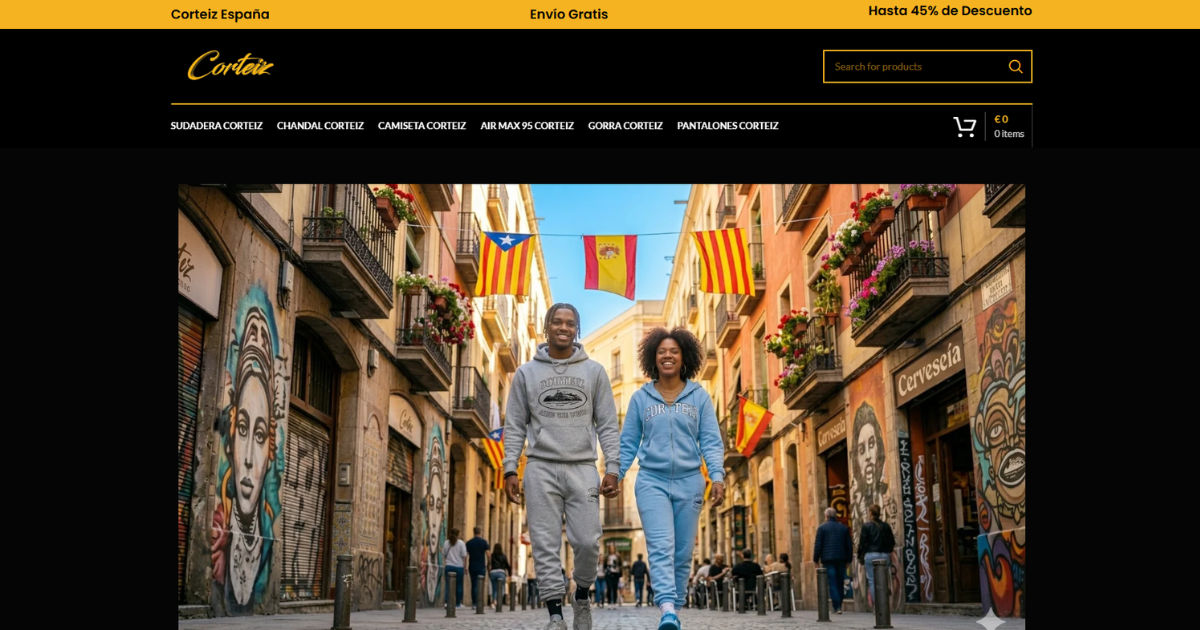
Even modern trends like chandal corteiz show how deeply music-driven culture connects with streetwear brands, youth identity, and urban fashion movements.
Music does more than entertain. It creates moods, builds communities, and inspires entire fashion styles.
Streetwear designers often look at what artists wear on stage, in music videos, or even on social media to design their next big drop. In this way, music and fashion are tightly connected creative worlds.
In this guide, we will explore how different music genres have shaped streetwear fashion, how artists influence brands, and why this relationship continues to grow stronger in today’s digital world.
The Connection Between Music and Streetwear
Streetwear started as a form of self-expression in urban communities. Music, especially hip-hop, punk, and electronic, played a major role in shaping it.
When people listen to music, they don’t just hear it—they feel it. That feeling often turns into style choices. Oversized hoodies, sneakers, graphic tees, and bold accessories all reflect the attitude of the music being played.
Streetwear is basically visual music. It represents rhythm, rebellion, confidence, and identity.
Hip-Hop: The Biggest Influence on Streetwear
Hip-hop is the most powerful force behind modern streetwear.
From the Streets to Global Fashion
In the 1970s and 80s, hip-hop started in the Bronx, New York. Early artists wore tracksuits, sneakers, and gold chains—not because it was fashion, but because it was practical and expressive.
Over time, this style became iconic. Brands started noticing how rappers influenced youth culture.
Today, luxury fashion brands collaborate with hip-hop artists because their influence is global.
Artists as Fashion Icons
Rappers like Kanye West, Travis Scott, and A$AP Rocky have changed how people see fashion. They mix luxury clothing with streetwear, creating a new style category.
Sneakers became a status symbol because of hip-hop culture. Limited drops and collaborations often sell out in minutes.
Punk Music and Anti-Fashion Streetwear
Punk music created a completely different kind of streetwear influence.
Rebel Style Identity
In the 1970s, punk bands in the UK rejected mainstream culture. Their clothing reflected anger, freedom, and rebellion.
Ripped jeans, leather jackets, safety pins, and DIY fashion became symbols of punk streetwear.
Streetwear from Rebellion
Modern streetwear still carries punk influence. Many brands design distressed clothing and bold graphics inspired by punk culture.
Even today, some underground fashion labels use punk aesthetics to represent anti-mainstream identity.
Grime and UK Streetwear Culture
Grime music, which started in London, had a massive impact on UK streetwear.
The Rise of Local Fashion Identity
Grime artists like Stormzy and Skepta helped popularize a unique British streetwear identity.
Tracksuits, puffer jackets, and sneakers became everyday fashion for fans of grime music.
Brands and Culture
UK-based streetwear brands often collaborate with grime artists to stay connected to youth culture.
This is where modern trends like chandal corteiz fit in, representing the mix of music, street identity, and fashion rebellion in London’s urban scene.
Rock and Alternative Music Influence
Rock music also shaped streetwear, especially in earlier decades.
Band Merch and Graphic Tees
Rock bands popularized printed t-shirts with logos, album covers, and tour dates. This idea is now a core part of streetwear fashion.
Edgy Aesthetic
Leather jackets, boots, and dark color palettes from rock culture continue to influence modern streetwear brands that want a bold or edgy identity.
Electronic Music and Festival Fashion
Electronic music and DJ culture brought a different streetwear style.
Comfort Meets Style
Electronic music festivals focus on freedom of movement. This led to comfortable yet stylish outfits like oversized tees, cargo pants, and neon colors.
Global Influence
From Tomorrowland to underground rave scenes, electronic music fashion influences global streetwear trends.
Brands often design collections inspired by rave culture, mixing futuristic and street aesthetics.
How Music Artists Influence Streetwear Brands
Artists are now more powerful than traditional fashion advertisers.
Collaborations
Streetwear brands collaborate directly with musicians to design clothing lines. These collaborations sell out quickly because fans want to wear what their favorite artist wears.
Social Media Power
Instagram, TikTok, and YouTube make it easier for artists to showcase fashion. A single post can start a global trend.
The Role of Music Videos in Fashion Trends
Music videos are like fashion runways.
Visual Storytelling
Every outfit in a music video is carefully chosen. It reflects the message of the song.
For example, hip-hop videos often show luxury streetwear, while punk-inspired videos show rebellious outfits.
Instant Trend Creation
When a popular artist wears a certain outfit in a video, it often becomes a trend overnight.
Streetwear as a Cultural Identity
Streetwear is more than clothing—it represents identity.
Expression of Belonging
Music creates communities, and fashion helps identify those communities. Fans dress like their favorite artists to feel connected.
Youth Culture
Young people especially use streetwear to express independence, creativity, and belonging.
The Business Side of Music and Streetwear
Music and fashion are not just cultural—they are also big business.
Limited Drops
Streetwear brands use limited product drops to create hype, similar to how music albums are released.
Branding Power
Artists now launch their own clothing brands, turning their personal style into full businesses.
Globalization of Streetwear Through Music
Music has made streetwear global.
Breaking Borders
A song from London can influence fashion in Tokyo. A rapper from New York can inspire style in Karachi.
Digital Era Influence
Streaming platforms make music accessible worldwide, which spreads fashion trends faster than ever before.
Future of Music and Streetwear
The future of streetwear is deeply connected to music technology.
Virtual Fashion
With virtual concerts and digital avatars, fashion is entering the metaverse.
AI and Design
Artificial intelligence is now helping brands design clothing inspired by music patterns and moods.
Continued Influence
Music will continue shaping streetwear because both are forms of self-expression.
Conclusion
Music and streetwear are inseparable parts of modern youth culture. From hip-hop to punk, grime to electronic, every genre has shaped how people dress and express themselves. Streetwear is not just fabric—it is sound turned into style.
The influence of artists, music videos, and global digital platforms continues to push fashion in new directions. Even modern trends like chandal corteiz show how deeply music culture connects with streetwear identity and urban fashion movements.
As long as music exists, it will continue to inspire fashion. And as long as people want to express themselves, streetwear will remain one of the strongest cultural movements in the world.