
Swimming pools are designed for recreation, but many homeowners are now transforming unused pools into beautiful backyard ponds. In recent years, the idea of converting a traditional swimming pool into a natural pond ecosystem has become increasingly popular.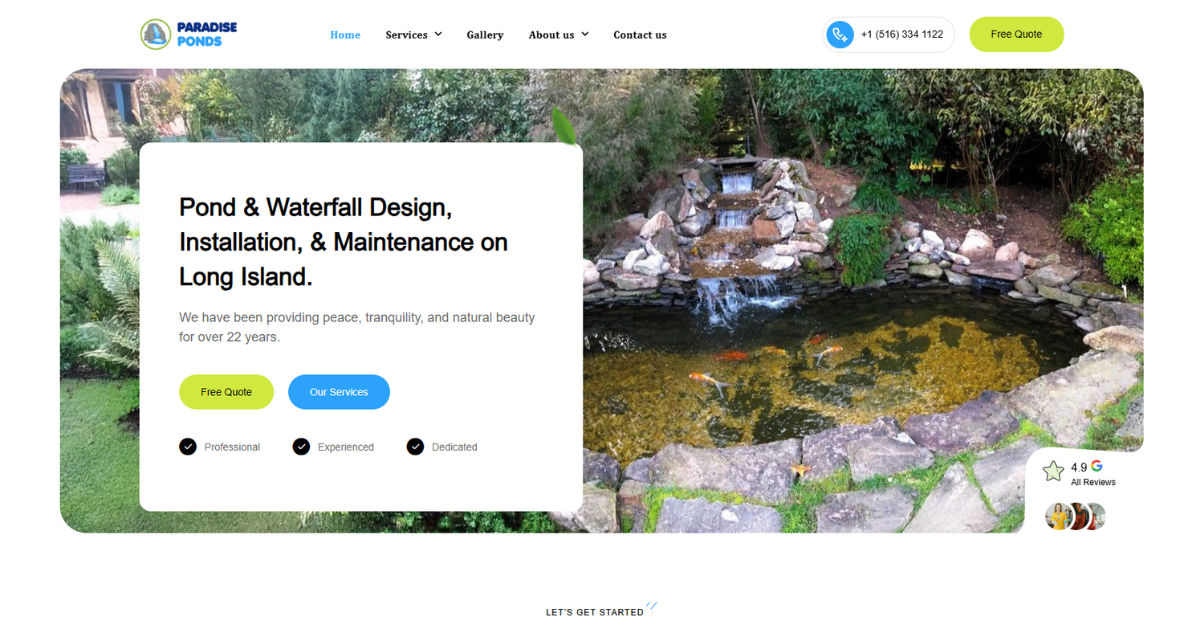
Homeowners want peaceful outdoor spaces filled with aquatic plants, waterfalls, and colorful fish. During these projects, a professional pool waterfall contractor Long Island often plays a major role in creating healthy environments where fish can thrive naturally.
A successful pond conversion is more than simply adding water and fish. The entire ecosystem must support aquatic life. Water quality, filtration, oxygen levels, plant life, pond depth, and seasonal care all affect whether fish survive and remain healthy.
A skilled pool waterfall contractor Long Island understands how to redesign pools into balanced ecosystems that mimic nature while still maintaining the beauty of a modern backyard.
This guide explains how fish live after a pool-to-pond conversion, what changes must happen during the transformation process, and how homeowners in Long Island can maintain a thriving pond for years to come.
Why Homeowners Convert Pools Into Ponds
Many pools become expensive to maintain over time. Heating, chemicals, cleaning, repairs, and seasonal upkeep can cost thousands of dollars annually. Some homeowners stop using their pools altogether and begin searching for alternatives that require less maintenance while adding natural beauty.
That is where a professional pool waterfall contractor Long Island becomes valuable. Instead of removing the pool entirely, contractors can transform it into a pond ecosystem filled with fish, aquatic plants, waterfalls, and biological filtration systems.
Ponds provide several advantages:
- Lower long-term maintenance costs
- More environmentally friendly landscapes
- Natural wildlife habitats
- Relaxing outdoor spaces
- Increased property appeal
- Reduced chemical usage
- Support for fish and aquatic plants
The conversion process creates an ecosystem where fish can survive comfortably year-round when properly designed.
Can Fish Really Live in a Converted Pool?
Yes, fish can live very successfully in a converted swimming pool. However, fish survival depends on redesigning the pool environment to support natural aquatic life instead of human recreation.
Traditional swimming pools are not designed for fish. They contain:
- Chlorinated water
- Smooth concrete or fiberglass surfaces
- Limited biological filtration
- No natural plant zones
- Minimal oxygen exchange
- Steep walls without shelter
A professional pool waterfall contractor Long Island modifies these features to create an environment where fish can safely live and reproduce.
Once converted properly, ponds can support:
- Koi fish
- Goldfish
- Native fish species
- Aquatic plants
- Beneficial bacteria
- Frogs and other wildlife
The pond becomes a balanced ecosystem rather than a chemically controlled swimming environment.
The Importance of Water Quality for Fish Survival
Fish health depends heavily on water quality. One of the first tasks during conversion is eliminating all harmful pool chemicals.
Removing Chlorine and Pool Chemicals
Chlorine is toxic to fish. Before introducing aquatic life, the water must be completely dechlorinated. A skilled pool waterfall contractor Long Island typically drains or treats the pool water to remove harmful substances.
Other chemicals may also need removal, including:
- Algaecides
- Pool shock treatments
- Stabilizers
- Salt systems
- Cleaning residues
Fish cannot survive until the water chemistry becomes natural and stable.
Creating Biological Balance
Unlike pools, ponds rely on biological filtration. Beneficial bacteria break down fish waste and organic material naturally.
The nitrogen cycle becomes critical:
- Fish produce waste
- Waste creates ammonia
- Bacteria convert ammonia into nitrites
- Additional bacteria convert nitrites into nitrates
- Plants absorb nitrates
This cycle keeps water safe for fish.
A knowledgeable pool waterfall contractor Long Island installs biological filters and creates conditions where beneficial bacteria can thrive.
How Oxygen Supports Fish Life
Fish need oxygen-rich water to survive. Pools usually lack natural oxygen circulation because they depend on chemical sanitation systems.
After conversion, oxygen becomes essential.
Waterfalls Improve Oxygen Levels
Waterfalls are one of the best ways to oxygenate pond water. Moving water absorbs oxygen from the atmosphere.
This is why many homeowners hire a pool waterfall contractor Long Island to build custom waterfall systems during the conversion process.
Waterfalls provide several benefits:
- Increased oxygen
- Better water circulation
- Reduced stagnation
- Natural appearance
- Relaxing sounds
- Improved fish health
Fish become more active and healthier when oxygen levels remain stable.
Aeration Systems
In addition to waterfalls, ponds may include:
- Air pumps
- Bottom diffusers
- Fountain systems
- Stream circulation channels
These systems prevent oxygen depletion, especially during hot Long Island summers.
How Pond Depth Affects Fish Survival
Pool depth plays a major role in whether fish survive year-round.
Deep Areas Protect Fish
Fish need deeper water zones for:
- Temperature stability
- Winter survival
- Predator protection
- Reduced stress
Most converted pools already have adequate depth, which is an advantage over smaller decorative ponds.
A professional pool waterfall contractor Long Island may redesign depth transitions to create:
- Shallow plant shelves
- Mid-depth swimming zones
- Deep winter refuges
These different levels help support a complete ecosystem.
Winter Survival in Long Island
Long Island winters can become cold enough to freeze pond surfaces. Fish survive by remaining in deeper water where temperatures stay more stable.
Proper pond depth allows fish to enter semi-dormant states during winter months.
A reliable pool waterfall contractor Long Island ensures the pond design supports winter fish safety while preventing complete freezing.
The Role of Aquatic Plants
Aquatic plants are essential in any healthy pond conversion.
Plants Help Filter Water
Plants absorb nutrients produced by fish waste. This reduces algae growth and improves water clarity.
Common pond plants include:
- Water lilies
- Lotus plants
- Hornwort
- Water lettuce
- Pickerel rush
- Iris plants
A professional pool waterfall contractor Long Island often incorporates plant zones directly into the converted pool design.
Plants Create Fish Shelter
Fish need hiding places to feel safe. Plants provide protection from:
- Predators
- Strong sunlight
- Temperature swings
- Stress
Healthy fish are less likely to become sick when they have natural shelter.
Fish Species Commonly Used in Pool Pond Conversions
Not all fish thrive equally in converted ponds. Certain species adapt better to outdoor environments in Long Island.
Koi Fish
Koi are among the most popular choices.
Benefits of koi include:
- Long lifespan
- Large size
- Beautiful colors
- Friendly behavior
- Cold tolerance
A professional pool waterfall contractor Long Island often designs ponds specifically for koi because they require excellent filtration and deeper water.
Goldfish
Goldfish are another excellent option.
Advantages include:
- Hardy nature
- Lower maintenance
- Adaptability
- Smaller size
- Easy care
Goldfish can survive in many pond conditions when water quality remains stable.
Native Fish Species
Some homeowners choose native fish species that naturally tolerate Long Island conditions.
These species may include:
- Minnows
- Shiners
- Sunfish
Native species often integrate well into naturalized pond environments.
How Filtration Systems Keep Fish Alive
Filtration is one of the most important components of any pond ecosystem.
Mechanical Filtration
Mechanical filters remove debris such as:
- Leaves
- Dirt
- Uneaten food
- Fish waste
Without proper filtration, water becomes cloudy and unhealthy.
A skilled pool waterfall contractor Long Island installs filters sized appropriately for pond volume and fish population.
Biological Filtration
Biological filters support beneficial bacteria that remove toxic compounds from the water.
These systems are essential for:
- Ammonia control
- Nitrite reduction
- Stable ecosystems
- Fish health
Without biological filtration, fish can quickly become stressed or die.
UV Clarifiers
Some pond systems also use ultraviolet clarifiers to reduce algae growth and improve water clarity.
These systems help maintain healthy conditions without excessive chemical treatments.
How Fish Adapt to Their New Pond Environment
Fish usually adapt very well after conversion if the environment is properly stabilized.
Acclimation Process
Fish should never be introduced immediately after construction.
The pond needs time to:
- Stabilize biologically
- Establish bacteria colonies
- Balance pH levels
- Normalize temperature
A professional pool waterfall contractor Long Island often recommends cycling the pond before adding fish.
Fish Behavior After Introduction
Healthy fish will:
- Swim actively
- Explore the pond
- Feed normally
- Interact socially
- Use hiding areas
Stressed fish may:
- Gasp at the surface
- Hide constantly
- Stop eating
- Show color fading
Monitoring behavior helps homeowners identify potential problems early.
Seasonal Pond Care for Fish Survival
Fish care changes throughout the year in Long Island.
Spring Care
Spring is a recovery season.
Homeowners should:
- Clean debris
- Restart filtration systems
- Test water quality
- Feed fish gradually
- Inspect equipment
A trusted pool waterfall contractor Long Island may offer seasonal maintenance services during spring startup.
Summer Care
Summer heat can lower oxygen levels.
Important tasks include:
- Monitoring temperature
- Preventing algae blooms
- Increasing aeration
- Maintaining water levels
Fish may require additional oxygen during hot weather.
Fall Preparation
Autumn preparation helps fish survive winter.
Tasks include:
- Removing falling leaves
- Reducing feeding
- Cleaning filters
- Checking pond heaters
Proper preparation prevents winter water quality issues.
Winter Protection
Winter care is critical in colder climates.
Many pond owners use:
- Pond deicers
- Aerators
- Winter pumps
A professional pool waterfall contractor Long Island can design systems that continue supporting fish even during freezing temperatures.
Predator Protection for Pond Fish
Outdoor ponds naturally attract predators.
Common threats include:
- Herons
- Raccoons
- Cats
- Hawks
Fish survival often depends on adequate protection.
Protective Design Features
A skilled pool waterfall contractor Long Island may incorporate:
- Deep zones
- Rock caves
- Plant cover
- Netting systems
- Shelters
These features help fish avoid predators while maintaining a natural appearance.
Common Challenges After Pool Conversion
Even well-designed ponds may experience occasional problems.
Algae Growth
Excess nutrients can cause algae blooms.
Solutions include:
- More plants
- Better filtration
- Reduced feeding
- UV clarifiers
Poor Water Quality
Fish waste buildup may create dangerous ammonia levels.
Regular testing helps maintain safe conditions.
Equipment Failure
Pumps and filters require maintenance.
A reliable pool waterfall contractor Long Island often recommends routine inspections to prevent system failures.
Fish Disease
Poor water quality increases disease risk.
Healthy ecosystems greatly reduce infections and stress-related illness.
Benefits of Fish in Converted Pool Ponds
Fish add more than beauty to a pond ecosystem.
Natural Ecosystem Balance
Fish contribute to ecological balance by interacting with plants and beneficial bacteria.
Relaxation and Mental Wellness
Watching fish swim can reduce stress and create peaceful outdoor environments.
Many homeowners report improved relaxation after adding pond features designed by a pool waterfall contractor Long Island.
Increased Property Appeal
Natural pond systems often become stunning focal points for outdoor landscaping.
Beautiful ponds with healthy fish can improve backyard aesthetics significantly.
How Long Fish Can Live in Converted Ponds
Fish lifespan depends on care and environmental quality.
Koi Lifespan
Koi can live:
- 20 to 40 years
- Sometimes even longer
Goldfish Lifespan
Goldfish may survive:
- 10 to 20 years
- Occasionally longer in ideal conditions
A properly designed pond created by a professional pool waterfall contractor Long Island can support fish for decades.
Choosing the Right Contractor for Pool Conversion
Pool-to-pond conversion requires specialized knowledge.
Not every contractor understands aquatic ecosystems.
Important Qualifications
Homeowners should look for:
- Pond construction experience
- Waterfall design expertise
- Biological filtration knowledge
- Fish habitat understanding
- Local climate experience
An experienced pool waterfall contractor Long Island understands how local weather patterns affect pond ecosystems.
Questions to Ask Contractors
Before hiring, homeowners should ask:
- What filtration systems do you recommend?
- How deep should the pond be?
- What fish species work best?
- How will oxygenation be handled?
- What winter protection is needed?
The answers help determine whether the contractor truly understands pond ecology.
Eco-Friendly Advantages of Pool-to-Pond Conversion
Converting a pool into a pond supports environmental sustainability.
Reduced Chemical Usage
Ponds use fewer harsh chemicals than swimming pools.
Wildlife Support
Ponds attract:
- Birds
- Butterflies
- Frogs
- Dragonflies
Water Conservation
Natural ecosystems often require less water replacement than traditional pools.
A professional pool waterfall contractor Long Island can help homeowners create environmentally responsible landscapes that support biodiversity.
Maintenance Tips for Long-Term Fish Health
Long-term success requires consistent care.
Regular Water Testing
Test for:
- pH
- Ammonia
- Nitrites
- Nitrates
- Oxygen levels
Controlled Feeding
Overfeeding causes water pollution.
Fish should only receive food they can consume quickly.
Equipment Inspection
Pumps, filters, and aerators should operate continuously.
Plant Management
Healthy plants improve water quality naturally.
Routine pruning prevents overcrowding.
Many homeowners schedule seasonal inspections with a pool waterfall contractor Long Island to ensure everything continues operating correctly.
Why Professional Design Matters
A poorly designed pond may struggle with:
- Fish deaths
- Algae problems
- Oxygen depletion
- Water stagnation
- Structural issues
Professional planning greatly increases success rates.
A qualified pool waterfall contractor Long Island understands how to combine engineering, landscaping, biology, and aesthetics into one balanced design.
The result is a sustainable pond where fish thrive naturally year after year.
Conclusion
Fish can live very successfully after a pool-to-pond conversion when the environment is properly redesigned to support aquatic life. Traditional swimming pools are not naturally suitable for fish because they rely on chemicals rather than biological balance. However, once converted into a natural ecosystem with proper filtration, oxygenation, plant life, and depth variation, these spaces can become thriving habitats for koi, goldfish, and other aquatic species.
The process requires careful planning and professional expertise. Water quality, oxygen levels, pond depth, seasonal maintenance, and predator protection all influence whether fish remain healthy long term. A skilled pool waterfall contractor Long Island plays a crucial role in transforming an ordinary swimming pool into a beautiful ecosystem that supports fish life naturally.
With the right design and ongoing maintenance, converted pool ponds provide homeowners with peaceful outdoor environments that are visually stunning, environmentally friendly, and biologically balanced. Fish not only survive in these ponds but often flourish for many years, creating living landscapes that bring beauty and tranquility to Long Island homes.