
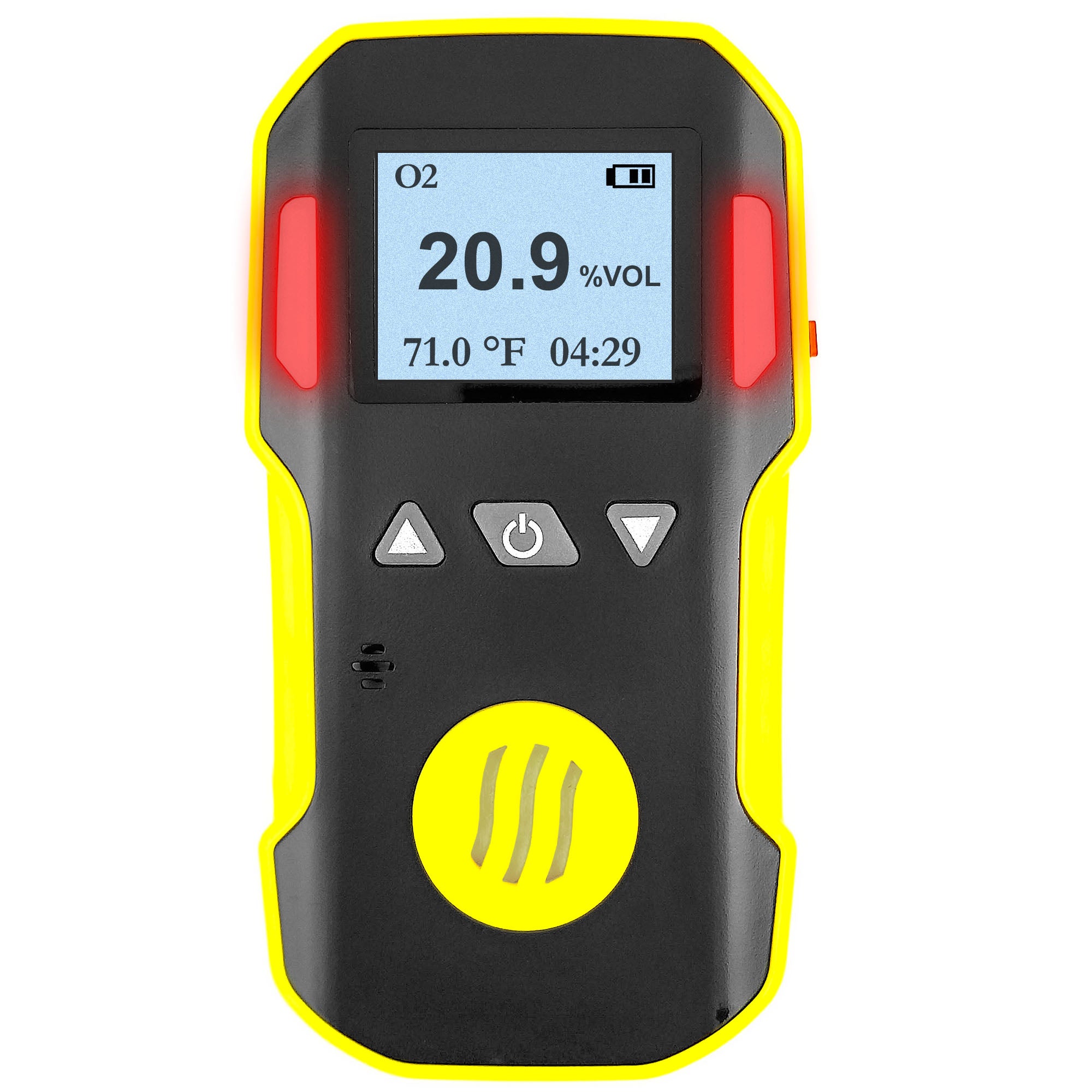
Modern industries run in environments where ultraviolet threats like virulent, inflammable, and oxygen-displacing gases are a constant risk. From oil refineries to chemical substance plants and manufacturing facilities, even a moderate gas leak can escalate into a John Major safety incident. Traditional monitoring methods are often no longer adequate because heavy-duty processes have become faster, more , and more tightened. This creates a serious take exception for maintaining consistent workplace safety and state of affairs compliance.
To turn to these risks, industries are increasingly adopting smarter and more trustworthy monitoring solutions. Advanced technologies now allow real-time detection, instant alerts, and extremely precise gas mensuration even in extreme conditions. These innovations significantly reduce homo wrongdoing and better reply times during emergencies.
This is where advanced engineering in gas detection and monitoring systems is transforming industrial refuge standards. By integrating hurt sensors, automation, and data-driven psychoanalysis, these systems provide dogging tribute and help industries run with greater trust and verify.
The Growing Need for Advanced Gas Detection Technology
Industrial environments are becoming more complex, with redoubled use of chemicals, fuels, and high-pressure systems. This raises the likelihood of gas leaks and hazardous .
Key Challenges in Industrial Gas Safety:
Sudden and unseeable gas leaks
Rapid changes in air composition
Difficulty in manual of arms monitoring across big facilities
High risk of explosions and venomous exposure
Advanced gas signal detection systems figure out these problems by providing constant, automatic monitoring that reacts in a flash to insecure changes in air timbre.
How Advanced Gas Detection Systems Work
Modern gas signal detection systems rely on cutting-edge sensor engineering science and intelligent software program to nice and real-time results. These systems are designed to notice even the smallest of degrading gases in the air.
Core Technologies Used:
Electrochemical Sensors: Detect hepatotoxic gases like carbon paper monoxide and hydrogen sulfide
Infrared Sensors: Measure gases such as carbon paper and hydrocarbons with high accuracy
Catalytic Sensors: Identify flammable gases in heavy-duty environments
Laser-Based Detection: Offers highly exact long-distance gas measurement
These technologies work together to ascertain complete coverage of industrial refuge zones.
Smart Features in Modern Gas Monitoring Systems
Today s gas signal detection systems are not just about signal detection they are well-informed refuge solutions that integrate with integer substructure.
Key Smart Features Include:
Real-time radio receiver monitoring and alerts
Cloud-based data store and analysis
Automated closedown systems
Remote access via mobile and verify platforms
Predictive upkee using AI analytics
These features allow industries to react quicker and make up on refuge decisions outright.
Benefits of Advanced Gas Detection Technology
The desegregation of sophisticated applied science into détecteur de monoxyde de carbone pour voiture monitoring systems provides several indispensable advantages for heavy-duty trading operations.
Major Benefits:
Early Hazard Detection: Identifies leaks before they become dangerous
Improved Worker Safety: Reduces to poisonous environments
Operational Efficiency: Minimizes downtime and disruptions
Regulatory Compliance: Helps meet stern refuge standards
Data-Driven Insights: Enables better refuge planning and risk management
These benefits put up to safer, more productive, and more honest industrial trading operations.
Applications Across Industrial Sectors
Advanced gas signal detection systems are widely used in industries where air timber and gas safety are indispensable.
Common Industrial Applications:
Oil and gas and refining
Chemical manufacturing plants
Power multiplication facilities
Mining operations
Waste management and treatment plants
Each of these environments benefits from real-time monitoring and rapid reply capabilities.
The Role of Automation and AI in Gas Monitoring
One of the most significant advancements in gas detection engineering science is the integration of automation and dummy news. These systems can analyse patterns, forebode risks, and trigger automatic rifle safety responses without man interference.
AI-Powered Features:
Predictive gas leak detection
Automated safety alerts and responses
Pattern realization for risk assessment
Continuous system of rules optimization
This reduces trust on manual monitoring and significantly improves overall safety public presentation.
Choosing the Right Gas Detection System
Selecting the right system of rules depends on industrial requirements, state of affairs conditions, and refuge goals.
Important Factors to Consider:
Sensor accuracy and reply time
Durability in harsh environments
Integration with present refuge systems
Scalability for future expansion
Maintenance and standardization requirements
A well-designed system ensures long-term dependableness and consistent safety performance.
Conclusion
The phylogeny of gas signal detection and monitoring engineering science has changed heavy-duty refuge practices. With the rise of well-informed sensors, mechanisation, and real-time data systems, industries can now discover hazards faster and react more in effect than ever before.
Advanced technology in gas detection and monitoring systems is not just improving refuge it is redefining how industries wangle risk and protect their work force. By adopting these Bodoni solutions, companies can insure safer trading operations, better compliance, and a more procure working for the