
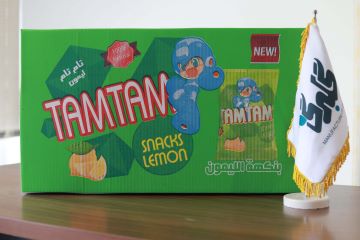
The manufacturing of cartons, particularly those made from paper and cardboard, plays a essential role in the world publicity industry. Cartons are requisite for transporting goods, protective products, and providing selective information to consumers. However, beyond their practical applications, the work of CARTON MANUFACTURING offers a range of state of affairs benefits that can help extenuate the blackbal impacts of packaging run off. In this article, we will research these benefits, direction on sustainability, recyclability, and eco-friendly practices within the کارتن سازی فوری work.
1. Sustainability: A Renewable Resource
One of the most substantial state of affairs benefits of CARTON MANUFACTURING is the use of renewable resources. Cartons are typically made from wood pulp, which comes from trees. While deforestation has inflated concerns in many industries, the wallpaper and cartonful industry has made strides in sourcing wood from sustainably managed forests. Certifications such as FSC(Forest Stewardship Council) see to it that the materials used in CARTON MANUFACTURING are harvested in a way that respects ecosystems, supports biodiversity, and ensures long-term forest wellness.
In addition to sourcing materials sustainably, many cartonful manufacturers follow out eco-friendly practices in their operations. This includes reduction energy expenditure, minimizing water use, and thinning down on carbon paper emissions. As a result, the stallion lifecycle of cartonful product can be significantly more environmentally friendly than other forms of promotion, such as impressionable.
2. Recyclability: A Closed-Loop System
Cartons are not only made from renewable resources, but they are also extremely reusable. Paper and cardboard can be recycled multiple times without losing timber, making them a hone candidate for a flyer thriftiness. In many countries, cartonful promotional material can be easily gathered through curbside recycling programs, further reducing its environmental affect.
The recycling work for cartons involves break down the fibers in paper, which can then be reused to create new paper products, including more cartons. By fun used cartons from landfills, this work on helps cancel resources and reduces the need for Virgo the Virgin materials. In some regions, the demand for recycled wallpaper has led to a ontogenesis market for recycled cartons, support the sustainability of the industry.
Furthermore, some cartons are now being made with additional sustainable features, such as perishable coatings or minimalistic designs, which better recyclability and reduce taint in recycling streams.
3. Reduction of Carbon Footprint
The situation touch of packaging is often measured in price of its carbon paper step, which includes nursery gas emissions generated during product, transportation, and . Cartons, especially when compared to impressionable alternatives, tend to have a lour carbon paper footprint. This is primarily due to the fact that paper production, especially when using renewable vitality sources, in the main emits less CO2 than the product of impressible or other synthetic materials.
Additionally, cardboard and wallpaper are relatively lightweight, which lowers the vitality expenditure and emissions associated with transit. The wad nature of flat-packed cartons means more products can be shipped in a ace load, optimizing transportation system efficiency.
Some manufacturers have gone even further to reduce their carbon paper footprint by investing in vitality-efficient machinery, using renewable vitality, and workings toward carbon paper-neutral or low-carbon product processes.
4. Biodegradability: A Natural Decomposition Process
Another key situation profit of cartons is their biodegradability. Unlike impressionable, which can remain in the environment for hundreds of old age, cartons made from wallpaper and composition board break off down course when exposed to wet, O, and microorganisms. This means that, if not recycled, cartons can moulder apace in landfills, going away a significantly littler environmental touch compared to non-biodegradable promotional material materials.
This perishable nature is particularly large for consumers and businesses looking for eco-friendly alternatives to impressionable. When willing of aright, cartons pose less of a terror to wildlife and ecosystems, and they do not contribute to the long-term pliant pollution that has severely stilted devil dog life and terrestrial habitats.
5. Promoting a Circular Economy
Carton manufacturing aligns well with the principles of a circular thriftiness. In a flyer economy, resources are kept in use for as long as possible, and run off is minimized through recycling, reprocess, and repurposing. The lifecycle of a carton—starting with the harvest of trees, moving through the manufacturing work on, being used for promotional material, and then being recycled into new products—illustrates the flier thriftiness simulate in action.
Furthermore, innovative manufacturers are progressively development new technologies to meliorate the recyclability of cartons and to tighten their environmental step. For example, some cartons are now premeditated to be compostable, ensuring that even if they do not make it into a recycling bin, they will break up down course without causation harm to the environment.
6. Economic and Environmental Synergy
As demand for property publicity grows, the worldly and state of affairs benefits of CARTON MANUFACTURING are becoming more ostensible. Companies that take to use cartons are not only supporting eco-friendly practices, but they are also position themselves as leadership in sustainability. This alignment between profitableness and environmental responsibleness is necessary in a earthly concern where consumers are becoming progressively aware of the situation consequences of their purchasing decisions.
Carton manufacturers that invest in putting green technologies, causative sourcing, and waste simplification strategies are tributary to the wellness of the planet while at the same time driving their stage business winner. As awareness and demand for sustainable packaging bear on to rise, the CARTON MANUFACTURING manufacture is equanimous to play an even large role in the passage to a greener, more bill economy.
Conclusion
The situation benefits of CARTON MANUFACTURING are clear and substantive. From using inexhaustible resources to promoting recycling and reducing carbon footprints, carton packaging represents an eco-friendly option to many other forms of packaging. As the world progressively focuses on sustainability and state of affairs responsibility, the role of cartons in reduction waste, conserving resources, and support a broadsheet thriftiness will only grow in grandness. By continued to innovate and vest in putting green technologies, cartonful manufacturers can lead the way toward a more property and environmentally amicable future.