
Understanding urine test reports can feel confusing at first, especially when you see medical terms and numbers. In this guide, we will break everything down in a simple way so a 12th-grade student can easily understand what each part means and how doctors interpret the results.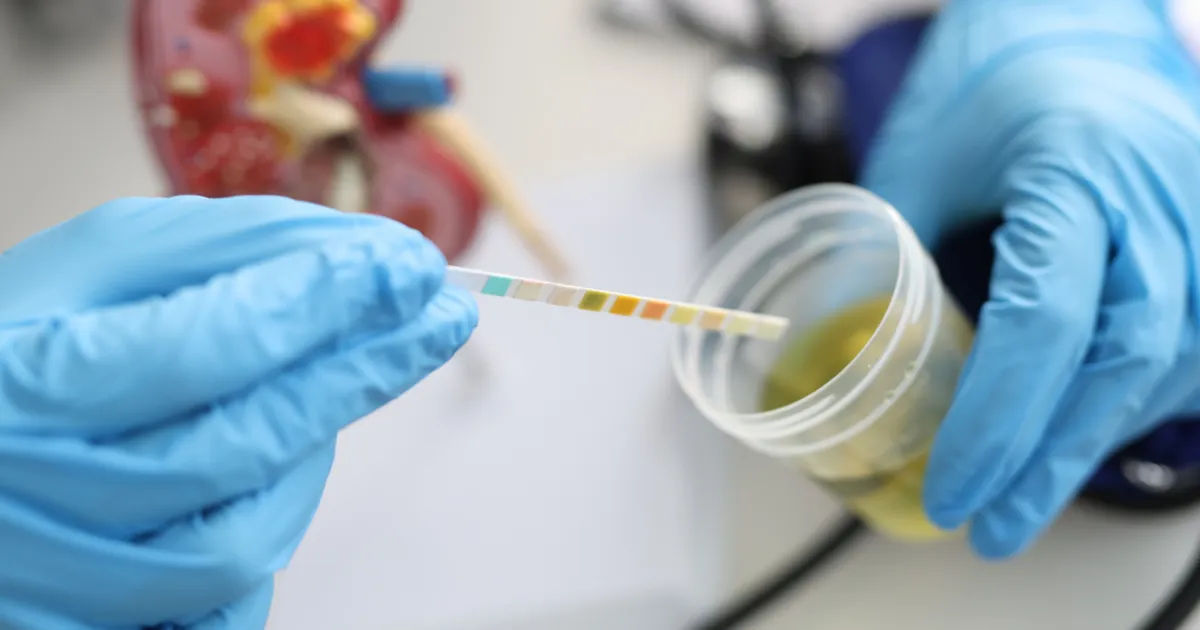
You will also notice the phrase how long does pee last for a drug test used throughout the article, as it is often searched alongside urine testing topics.
Introduction to Urine Tests
Urine tests, also called urinalysis, are one of the most common medical tests in the world. They help doctors understand what is happening inside your body without needing invasive procedures.
A urine test can check for:
- Infections
- Kidney function
- Diabetes
- Liver problems
- Hydration levels
- Drug presence
The results give clues about your overall health. In many cases, people also search for how long does pee last for a drug test when they are trying to understand how urine samples behave over time in medical and screening situations.
Why Urine Tests Are Important
Urine carries waste products filtered by the kidneys. Because of this, it reflects what is happening inside your body.
Doctors use urine tests to:
- Detect diseases early
- Monitor ongoing conditions
- Check medication effects
- Screen for infections or toxins
Even small changes in urine can give important health information.
Types of Urine Tests
There are different types of urine tests depending on what doctors want to check.
Routine Urinalysis
This is a general test that checks physical and chemical properties of urine.
Microscopic Urinalysis
A lab technician looks at urine under a microscope to detect cells, bacteria, and crystals.
Urine Culture
This test identifies bacteria causing infection.
Drug Screening
This checks for substances in the body. Many people ask how long does pee last for a drug test when discussing detection windows and sample reliability.
Physical Appearance of Urine Results
The first thing doctors check is how urine looks.
Color
Normal urine is light yellow due to a pigment called urochrome.
Possible meanings:
- Dark yellow: dehydration
- Brown: liver issues or dehydration
- Red or pink: blood in urine or food dyes
- Cloudy: infection or crystals
Clarity
Urine should usually be clear.
- Clear urine: normal or overhydration
- Cloudy urine: infection, protein, or crystals
These simple observations often provide the first clues about health status.
Chemical Analysis of Urine
Chemical tests use dipsticks that change color when dipped in urine.
pH Level
pH measures how acidic or alkaline urine is.
- Normal range: 4.5 to 8
- Low pH: acidic diet, diabetes, dehydration
- High pH: kidney infection or urinary tract infection
Protein
Normally, urine should have very little or no protein.
- Small amount: may be normal after exercise
- High levels: kidney disease or damage
Glucose
Glucose in urine is not normal.
- Presence may indicate diabetes
- Can also appear during stress or pregnancy
Ketones
Ketones appear when the body burns fat instead of sugar.
- Common in fasting or diabetes
- High levels may indicate diabetic ketoacidosis
Blood in Urine
Blood in urine (hematuria) is a serious sign.
Causes include:
- Infection
- Kidney stones
- Injury
- Tumors
Infection Markers in Urine
Urine tests also detect infections.
Nitrites
Certain bacteria convert nitrates into nitrites.
- Positive nitrites: bacterial infection likely
Leukocyte Esterase
This indicates white blood cells in urine.
- Positive result: infection or inflammation
These markers are often checked together to diagnose urinary tract infections.
Microscopic Examination
Under a microscope, urine is checked for small particles.
Red Blood Cells
May indicate bleeding in urinary tract.
White Blood Cells
Suggest infection or inflammation.
Bacteria
Indicate infection.
Crystals
May suggest kidney stone formation risk.
Casts
Tube-like structures that can indicate kidney disease.
Urine Tests for Drug Screening
Urine drug tests are used in workplaces, sports, and medical settings.
They detect substances such as:
- Cannabis
- Opioids
- Cocaine
- Amphetamines
- Benzodiazepines
A common question people ask is how long does pee last for a drug test, which relates to how long substances remain detectable in urine. Detection time depends on:
- Type of drug
- Frequency of use
- Body metabolism
- Hydration level
For example:
- Some drugs last 1–3 days
- Others may stay for weeks
Factors That Affect Urine Test Results
Many things can influence urine results.
Hydration
Too much water can dilute urine, affecting accuracy.
Diet
Certain foods can change urine color or chemistry.
Exercise
Intense workouts may temporarily increase protein levels.
Medications
Some medicines can alter test results.
Health Conditions
Diseases like diabetes or kidney disorders strongly affect urine composition.
Normal vs Abnormal Urine Results
Understanding the difference helps interpret reports.
Normal Results May Show:
- Pale yellow urine
- No protein or glucose
- No bacteria
- Normal pH
- No blood
Abnormal Results May Show:
- Dark or cloudy urine
- Presence of bacteria
- High sugar levels
- Protein or blood detected
Abnormal does not always mean serious illness, but it usually requires follow-up.
What Happens After Abnormal Results?
If something unusual is found, doctors may:
- Repeat the test
- Order blood tests
- Request imaging scans
- Prescribe medication
- Refer to a specialist
Urine tests are usually the first step in diagnosis, not the final answer.
Common Misunderstandings About Urine Tests
Many people misunderstand what urine tests can and cannot do.
Misunderstanding 1: One abnormal result means disease
Not always. Temporary factors can affect results.
Misunderstanding 2: Urine tests detect everything
They only show specific markers.
Misunderstanding 3: Drinking water changes everything
Hydration can dilute urine but does not erase medical findings.
People often connect this topic with how long does pee last for a drug test, assuming urine behavior can be easily manipulated, but medical testing is designed to remain reliable under normal conditions.
Importance of Proper Sample Collection
Correct sample collection is very important.
Steps usually include:
- Clean container
- Midstream urine sample
- Proper labeling
- Quick delivery to lab
Improper collection can lead to false results.
Urine Test in Everyday Health Checkups
Urine tests are used in:
- Annual checkups
- Pregnancy monitoring
- Hospital admissions
- Sports screening
- Employment screening
They are simple but powerful tools for early detection.
How Doctors Interpret Urine Reports
Doctors do not look at one value alone. They consider:
- All test components together
- Patient symptoms
- Medical history
- Additional test results
This complete approach ensures accurate diagnosis.
Why Urine Tests Are Reliable
Urine testing is widely trusted because:
- It is non-invasive
- It is quick
- It is cost-effective
- It provides multiple health indicators
Even though people often focus on how long does pee last for a drug test, the medical value of urine testing goes far beyond drug screening alone.
Limitations of Urine Tests
Urine tests are helpful but not perfect.
Limitations include:
- Cannot detect all diseases
- May require confirmation tests
- Results influenced by external factors
That is why doctors use multiple tests together.
Conclusion
Urine tests are an essential part of modern healthcare. They help detect infections, monitor kidney function, identify diabetes, and screen for drugs. By analyzing physical appearance, chemical composition, and microscopic elements, doctors gain a clear picture of a person’s health.
Understanding what urine test results mean allows patients to feel more informed and less confused when they receive reports. While many people focus on topics like how long does pee last for a drug test, the true value of urine testing lies in its ability to reveal early signs of disease and support overall health monitoring.
With proper interpretation and medical guidance, urine tests remain one of the simplest yet most powerful diagnostic tools in medicine.