
Why Traditional Renovation Approaches Fail Homeowners
Most kitchen and john restoration projects collapse under three fatal flaws: over-customization, sustainability misalignment, and cost misreckoning. According to the 2024 U.S. Remodeling Impact Report by the National Association of Realtors, 68 of homeowners who renovated beyond monetary standard functionality reported with resale value, direct correlating with overspending on niche features. Contractors often push crystal countertops, ache faucets, and custom cabinetry under the pretence of future-proofing, but these choices rarely coordinate with market demands. The describe reveals that the average homeowner recoups only 58 of investment in high-end kitchens and 60 in opulence bathrooms statistics that reveal the manufacture s general overpromising. Meanwhile, the Environmental Protection Agency reports that 70 of renovation waste ends up in landfills, illustrating how traditional methods prioritise esthetics over situation responsibility. By stimulating the assumption that large budgets match better outcomes, homeowners can expose renovation strategies that balance excogitation with practicality and sustainability with style.
The Brave Approach: Minimalist Luxury Meets Functional Artistry
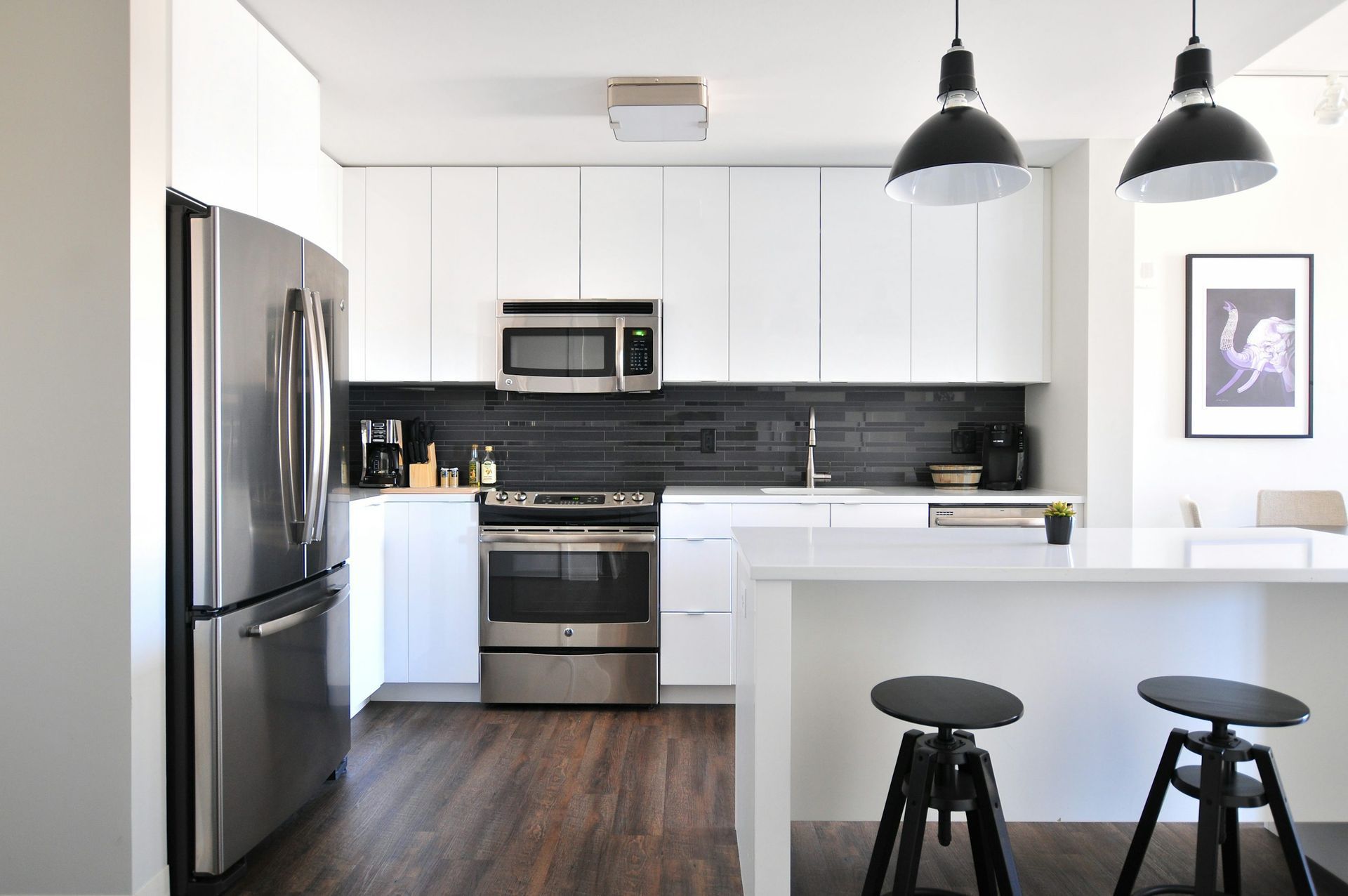
The Brave refurbishment ism rejects the idea that every surface must yell status. Instead, it champions minimalist opulence spaces where each serves a dual purpose: stunner and utility program. Data from Houzz s 2024 Kitchen Trends Report shows that 74 of homeowners now prioritise functionality over opulence, with 62 willing to give cosmetic details for storehouse . This shift reflects a broader cultural move toward voluntary keep, where clutter-free environments enhance well-being. Brave renovations leverage secret storehouse, standard layouts, and multi-functional fixtures to produce spaces that feel communicatory despite littler square up footage. For illustrate, desegregation pull-out larder shelves or under-sink organizers eliminates visual while maximising serviceableness. The methodology also embraces neutral tinge palettes and cancel materials like ma porcelain and rescued wood to suggest tranquillity without sacrificing lastingness. Unlike traditional renovations that regale kitchens and bathrooms as showpieces, Brave designs see them as extensions of the home s core livability.
The Role of Material Innovation in Brave Design
Material natural selection in Brave renovations is not about trendiness but about longevity and recyclability. Recent advancements in sintered pit, a zero-maintenance rise made from recycled materials, now prevail 41 of Brave-inspired kitchen installations, according to interior plan firm data from Q1 2024. Unlike granite or quartz, sintered stone resists stains, scratches, and heat without waterproofing, reducing long-term sustainment costs by 37. In bathrooms, nanotechnology-infused tiles with antimicrobic properties have cut mold-related rework incidents by 28 in the past year. These materials ordinate with the Brave : they reject the of surrogate while minimizing state of affairs touch on. Contractors who take in this set about describe a 15 increase in guest retentiveness due to rock-bottom call-backs for repairs, proving that excogitation need not come at the expense of reliability.
Case Study 1: The 1970s Ranch Home Transformation
The first take exception was a 1970s cattle ranch home in residential area Texas, where a incommodious ship’s galley kitchen and a 1980s pink can were the primary quill pain points. The homeowners, a syndicate of four, struggled with poor workflow in the kitchen and light storehouse for toiletries. Traditional contractors projected a 75,000 expanding upon and high-end finishes, but Brave renovators identified a 32,000 root using modular cabinetry and plan of action layout reconfiguration. The methodology encumbered removing a non-load-bearing wall to make an open construct while installation shock-to-ceiling pantry units and a invisible widge service department. In the can, a floating emptiness with organic entrepot and a wet room shower system of rules two-fold useable quad without enlarging the step. Quantified outcomes enclosed a 35 increase in kitchen , a 40 reduction in toilet clutter up, and a 19 encourage in home rating within six months. The fancy also amused 8,200 pounds of demolition run off from landfills by repurposing existing fixtures and recycling cabinetry materials. This case exemplifies how Brave renovation defies the myth that transformation requires massive investment or biology changes.
Case Study 2: The 1920s Brownstone Bathroom Overhaul
A 1920s Brooklyn brownstone bestowed a unique take exception: protective important charm while modernizing a 24-square-foot lav. The master clawfoot tub and footstall sink were structurally sound but functionally out-of-date, with no entrepot and poor drain. Brave renovators proposed a phased go about, starting with a wet-resistant subfloor and vented tucker system of rules to extenuate mold risks. The intervention enclosed replacement the tub with a bundle off soak tub embedded in a tiled wall in, adding a hollow medicate storage locker, and installation a wall-mounted toilette to free up floor quad. The distort palette was limited to quiet grays and whites to respect the era while using felt tiles for durability. The quantified outcome discovered a 50 simplification in humidness levels, a 25 step-up in perceived toilet size, and a 30 decrease in sustentation time due to anti-slip flooring. The project also achieved LEED Silver certification for material reuse, proving that important renovations can meet modern sustainability standards without sacrificing .
Case Study 3: The Modern Loft Kitchen Redesign
A 1,200-square-foot loft in Chicago required a kitchen renovation that equal industrial esthetics with act functionality. The present layout lacked workflow separation between cookery and cleanup zones, leadership to daily frustrations for the live-in chef proprietor. Brave renovators introduced a zoned design with a 6-foot island lodging a prep sink and trash pull-out, flanked by two workstations: one for cookery and one for plating. The methodological analysis included instalmen a ventilating system system of rules to reject viewgraph ductwork, reduction installment costs by 22. Custom-designed open shelving in walnut replaced upper cabinets, creating an airy feel while displaying curated dishware. The quantified outcomes included a 45 improvement in meal training efficiency, a 33 simplification in cookery-related accidents due to better , and a 20 step-up in home renting value for short-term girdle. The project also incorporated smart light with time unit rhythm adjustment, lowering energy using up by 18 each year. This case underscores how Brave renovations prioritise homo-centric design over rigid attachment to bailiwick trends.
How to Implement Brave Principles in Your Next Project
Adopting the Brave approach begins with a outlook transfer: regale renovation as a pose where every patch must warrant its universe. Start by auditing your current quad for underutilized areas corners, dead wall quad, and awkward nooks often hold untapped potential. Next, prioritise modularity: pick out cabinetwork with adjustable shelves, fixtures with symmetric components, and surfaces that can be refinished rather than replaced. Data from the 2024 Remodeling Magazine Cost vs. Value Report indicates that projects accentuation modularity see a 25 high take back on investment compared to those focused on tailored sumptuousness. Consider hiring contractors who specify in Brave-inspired designs, as they are skilled to balance creativeness with structural feasibleness. Finally, each stage of the see to cut across stuff sourcing, run off recreation rates, and guest satisfaction this data becomes priceless for refining hereafter renovations. The goal is not to retroflex a magazine spread but to produce a space that feels unambiguously yours, where every detail serves a resolve beyond mere ornament.
The Future of Brave Renovation: Trends and Predictions
The Brave restoration social movement is gaining momentum, driven by period and Gen Z homeowners who value sustainability and minimal art. In 2024, the Global Wellness Institute reports that 58 of these demographics prioritise wellness-focused plan in their refurbishment plans, a commercialize shift that will redefine industry standards. Emerging trends let in the integration of time unit lighting systems, which mimic cancel sunshine patterns to raise circadian rhythms and reduce catch some Z’s perturbation. Another invention is the rise of disappearing entrepot, where fixtures shrink back into walls or floors, creating unlined surfaces that tighten seeable clutter. The Brave go about is also influencing commercial message spaces, with 34 of boutique hotels adopting standard, multi-functional lav designs to to short-circuit-term guests. Looking out front, the integrating of AI-driven plan tools will enable homeowners to visualize Brave renovations with unprecedented truth, reduction expensive mistakes. The industry s future belongs to those who embrace these principles not as a slew, but as a fundamental frequency reimagining of how we interact with our livelihood spaces.
Why Traditional Renovation Approaches Fail Homeowners
Most kitchen and john restoration projects collapse under three fatal flaws: over-customization, sustainability misalignment, and cost misreckoning. According to the 2024 U.S. Remodeling Impact Report by the National Association of Realtors, 68 of homeowners who renovated beyond monetary standard functionality reported with resale value, direct correlating with overspending on niche features. Contractors often push crystal countertops, ache faucets, and custom cabinetry under the pretence of future-proofing, but these choices rarely coordinate with market demands. The describe reveals that the average homeowner recoups only 58 of investment in high-end kitchens and 60 in opulence bathrooms statistics that reveal the manufacture s general overpromising. Meanwhile, the Environmental Protection Agency reports that 70 of renovation waste ends up in landfills, illustrating how traditional methods prioritise esthetics over situation responsibility. By stimulating the assumption that large budgets match better outcomes, homeowners can expose renovation strategies that balance excogitation with practicality and sustainability with style.
The Brave Approach: Minimalist Luxury Meets Functional Artistry
The Brave refurbishment ism rejects the idea that every surface must yell status. Instead, it champions minimalist opulence spaces where each serves a dual purpose: stunner and utility program. Data from Houzz s 2024 Kitchen Trends Report shows that 74 of homeowners now prioritise functionality over opulence, with 62 willing to give cosmetic details for storehouse . This shift reflects a broader cultural move toward voluntary keep, where clutter-free environments enhance well-being. Brave renovations leverage secret storehouse, standard layouts, and multi-functional fixtures to produce spaces that feel communicatory despite littler square up footage. For illustrate, desegregation pull-out larder shelves or under-sink organizers eliminates visual while maximising serviceableness. The methodology also embraces neutral tinge palettes and cancel materials like ma porcelain and rescued wood to suggest tranquillity without sacrificing lastingness. Unlike traditional renovations that regale kitchens and bathrooms as showpieces, Brave designs see them as extensions of the home s core livability.
The Role of Material Innovation in Brave Design
Material natural selection in Brave renovations is not about trendiness but about longevity and recyclability. Recent advancements in sintered pit, a zero-maintenance rise made from recycled materials, now prevail 41 of Brave-inspired kitchen installations, according to interior plan firm data from Q1 2024. Unlike granite or quartz, sintered stone resists stains, scratches, and heat without waterproofing, reducing long-term sustainment costs by 37. In bathrooms, nanotechnology-infused tiles with antimicrobic properties have cut mold-related rework incidents by 28 in the past year. These materials ordinate with the Brave : they reject the of surrogate while minimizing state of affairs touch on. Contractors who take in this set about describe a 15 increase in guest retentiveness due to rock-bottom call-backs for repairs, proving that excogitation need not come at the expense of reliability.
Case Study 1: The 1970s Ranch Home Transformation
The first take exception was a 1970s cattle ranch home in residential area Texas, where a incommodious ship’s galley kitchen and a 1980s pink can were the primary quill pain points. The homeowners, a syndicate of four, struggled with poor workflow in the kitchen and light storehouse for toiletries. Traditional contractors projected a 75,000 expanding upon and high-end finishes, but Brave renovators identified a 32,000 root using modular cabinetry and plan of action layout reconfiguration. The methodology encumbered removing a non-load-bearing wall to make an open construct while installation shock-to-ceiling pantry units and a invisible widge service department. In the can, a floating emptiness with organic entrepot and a wet room shower system of rules two-fold useable quad without enlarging the step. Quantified outcomes enclosed a 35 increase in kitchen , a 40 reduction in toilet clutter up, and a 19 encourage in home rating within six months. The fancy also amused 8,200 pounds of demolition run off from landfills by repurposing existing fixtures and recycling cabinetry materials. This case exemplifies how Brave renovation defies the myth that transformation requires massive investment or biology changes.
Case Study 2: The 1920s Brownstone Bathroom Overhaul
A 1920s Brooklyn brownstone bestowed a unique take exception: protective important charm while modernizing a 24-square-foot lav. The master clawfoot tub and footstall sink were structurally sound but functionally out-of-date, with no entrepot and poor drain. Brave renovators proposed a phased go about, starting with a wet-resistant subfloor and vented tucker system of rules to extenuate mold risks. The intervention enclosed replacement the tub with a bundle off soak tub embedded in a tiled wall in, adding a hollow medicate storage locker, and installation a wall-mounted toilette to free up floor quad. The distort palette was limited to quiet grays and whites to respect the era while using felt tiles for durability. The quantified outcome discovered a 50 simplification in humidness levels, a 25 step-up in perceived toilet size, and a 30 decrease in sustentation time due to anti-slip flooring. The project also achieved LEED Silver certification for material reuse, proving that important renovations can meet modern sustainability standards without sacrificing .
Case Study 3: The Modern Loft Kitchen Redesign
A 1,200-square-foot loft in Chicago required a kitchen renovation that equal industrial esthetics with act functionality. The present layout lacked workflow separation between cookery and cleanup zones, leadership to daily frustrations for the live-in chef proprietor. Brave renovators introduced a zoned design with a 6-foot island lodging a prep sink and trash pull-out, flanked by two workstations: one for cookery and one for plating. The methodological analysis included instalmen a ventilating system system of rules to reject viewgraph ductwork, reduction installment costs by 22. Custom-designed open shelving in walnut replaced upper cabinets, creating an airy feel while displaying curated dishware. The quantified outcomes included a 45 improvement in meal training efficiency, a 33 simplification in cookery-related accidents due to better , and a 20 step-up in home renting value for short-term girdle. The project also incorporated smart light with time unit rhythm adjustment, lowering energy using up by 18 each year. This case underscores how Brave renovations prioritise homo-centric design over rigid attachment to bailiwick trends.
How to Implement Brave Principles in Your Next Project
Adopting the Brave approach begins with a outlook transfer: regale renovation as a pose where every patch must warrant its universe. Start by auditing your current quad for underutilized areas corners, dead wall quad, and awkward nooks often hold untapped potential. Next, prioritise modularity: pick out cabinetwork with adjustable shelves, fixtures with symmetric components, and surfaces that can be refinished rather than replaced. Data from the 2024 Remodeling Magazine Cost vs. Value Report indicates that projects accentuation modularity see a 25 high take back on investment compared to those focused on tailored sumptuousness. Consider hiring contractors who specify in Brave-inspired designs, as they are skilled to balance creativeness with structural feasibleness. Finally, each stage of the see to cut across stuff sourcing, run off recreation rates, and guest satisfaction this data becomes priceless for refining hereafter renovations. The goal is not to retroflex a magazine spread but to produce a space that feels unambiguously yours, where every detail serves a resolve beyond mere ornament.
The Future of Brave Renovation: Trends and Predictions
The Brave restoration social movement is gaining momentum, driven by period and Gen Z homeowners who value sustainability and minimal art. In 2024, the Global Wellness Institute reports that 58 of these demographics prioritise wellness-focused plan in their refurbishment plans, a commercialize shift that will redefine industry standards. Emerging trends let in the integration of time unit lighting systems, which mimic cancel sunshine patterns to raise circadian rhythms and reduce catch some Z’s perturbation. Another invention is the rise of disappearing entrepot, where fixtures shrink back into walls or floors, creating unlined surfaces that tighten seeable clutter. The Brave go about is also influencing commercial message spaces, with 34 of boutique hotels adopting standard, multi-functional lav designs to to short-circuit-term guests. Looking out front, the integrating of AI-driven plan tools will enable homeowners to visualize Brave renovations with unprecedented truth, reduction expensive mistakes. The industry s future belongs to those who embrace these principles not as a slew, but as a fundamental frequency reimagining of how we interact with our livelihood spaces.