
Aluminum composite panels have become one of the most popular materials in modern architecture, largely because of their incredible flexibility in design.
Whether used in commercial buildings, residential homes, or interior decoration, aluminum composite panels offer architects and designers a wide range of creative possibilities.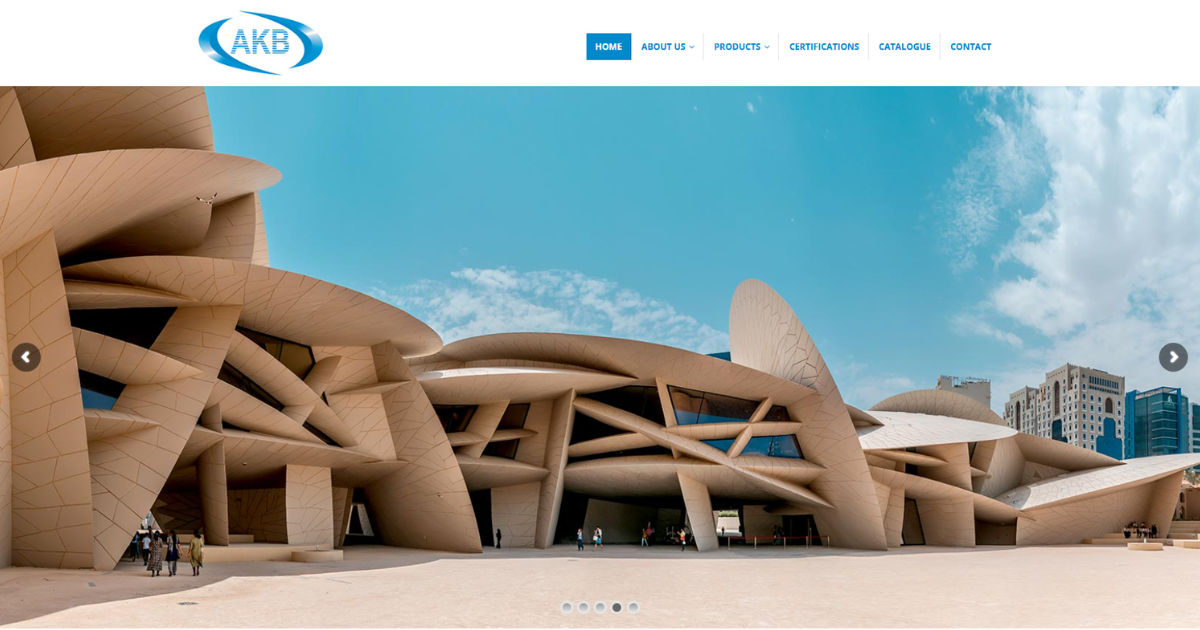
Their ability to adapt to different shapes, colors, textures, and finishes makes them a top choice for contemporary construction.
In this comprehensive guide, we will explore how aluminum composite panels provide unmatched design flexibility. We will break down their structure, discuss their adaptability, and explain how they enable both simple and complex design ideas.
By the end, you will have a clear understanding of why aluminum composite panels are considered a revolutionary material in the design world.
What Are Aluminum Composite Panels?
Aluminum composite panels are flat panels made of two thin layers of aluminum bonded to a non-aluminum core. This combination creates a lightweight yet strong material that is easy to work with.
The structure of aluminum composite panels allows them to maintain durability while remaining flexible. This balance is key to their widespread use in modern architecture. Because aluminum composite panels are both rigid and bendable, they can be shaped into different forms without losing strength.
Another important aspect is their smooth surface. This makes aluminum composite panels ideal for printing, coating, and finishing, giving designers more freedom to create visually appealing structures.
Why Flexibility Matters in Design
Flexibility in design is essential for modern construction. Buildings today are not just about function; they also reflect creativity, identity, and innovation.
Aluminum composite panels support this need by allowing designers to experiment with shapes and forms. Instead of being limited to straight lines and flat surfaces, architects can create curves, angles, and unique patterns using aluminum composite panels.
This flexibility also helps in solving practical challenges. For example, irregular building shapes or renovation projects often require materials that can adapt easily. Aluminum composite panels meet this need perfectly.
Structural Flexibility of Aluminum Composite Panels
Lightweight Yet Strong
One of the main reasons aluminum composite panels are flexible is their lightweight nature. Despite being light, they are very strong. This allows them to be bent and shaped without breaking.
Because aluminum composite panels are easy to handle, they reduce the effort required during installation. Workers can cut and shape them on-site, making the construction process faster and more efficient.
Easy to Cut and Shape
Aluminum composite panels can be cut using standard tools. This makes it easy to customize them according to specific design requirements.
Designers can create:
- Curved surfaces
- Angled edges
- Custom patterns
This level of customization is difficult to achieve with traditional materials like concrete or stone.
Bending and Folding Capabilities
Another advantage of aluminum composite panels is their ability to bend and fold. This feature allows architects to design complex structures such as wave-like facades or cylindrical shapes.
The bending process does not damage aluminum composite panels if done correctly. This ensures that the final structure remains strong and visually appealing.
Aesthetic Flexibility of Aluminum Composite Panels
Wide Range of Colors
Aluminum composite panels are available in a variety of colors. From bright shades to neutral tones, they can match any design theme.
This color variety allows designers to create:
- Bold and eye-catching buildings
- Elegant and minimalistic designs
- Brand-specific facades for businesses
Because aluminum composite panels can be painted or coated, the possibilities are almost endless.
Multiple Finishes
In addition to colors, aluminum composite panels come in different finishes such as:
- Matte
- Glossy
- Metallic
- Brushed
These finishes enhance the appearance of buildings and give them a modern look. Designers often choose aluminum composite panels to achieve a high-end finish without using expensive materials.
Texture Options
Aluminum composite panels can mimic the look of other materials like wood, stone, or marble. This gives designers the freedom to achieve a natural appearance while benefiting from the durability of aluminum composite panels.
For example, a building can have a wooden look without the maintenance issues of real wood.
Functional Flexibility in Applications
Exterior Cladding
Aluminum composite panels are widely used for exterior cladding. Their flexibility allows them to cover large surfaces and adapt to different building shapes.
They protect buildings from weather conditions while also enhancing their appearance. Because aluminum composite panels are resistant to moisture and corrosion, they maintain their look over time.
Interior Design
Inside buildings, aluminum composite panels are used for walls, ceilings, and partitions. Their flexibility makes them suitable for creative interior designs.
Designers use aluminum composite panels to create:
- Decorative wall panels
- Stylish ceilings
- Modern partitions
These applications show how aluminum composite panels are not limited to exterior use.
Signage and Branding
Aluminum composite panels are also popular in signage. Their smooth surface allows for high-quality printing, making them ideal for advertisements and brand displays.
Businesses use aluminum composite panels to create attractive signs that are both durable and visually appealing.
Customization Possibilities
Digital Printing
Aluminum composite panels support digital printing, which means any design can be printed directly onto their surface.
This feature allows for:
- Custom artwork
- Brand logos
- Unique patterns
With aluminum composite panels, designers are not limited to pre-made designs. They can create something completely original.
CNC Routing
CNC routing technology can be used to cut intricate patterns into aluminum composite panels. This adds another layer of design flexibility.
Architects can create detailed designs such as:
- Geometric patterns
- Decorative screens
- Artistic facades
Aluminum composite panels make it possible to turn creative ideas into reality.
Adaptability to Modern Architectural Trends
Sustainable Design
Sustainability is an important trend in modern architecture. Aluminum composite panels contribute to this by being recyclable and energy-efficient.
Their lightweight nature reduces transportation costs, and their durability means they last longer, reducing waste.
Smart Buildings
Aluminum composite panels are often used in smart building designs. They can be integrated with lighting systems and other technologies.
For example, LED lights can be installed behind aluminum composite panels to create illuminated facades.
Minimalist Architecture
Minimalist design focuses on simplicity and clean lines. Aluminum composite panels are perfect for this style because of their smooth surface and uniform appearance.
Cost-Effective Design Flexibility
One of the biggest advantages of aluminum composite panels is their cost-effectiveness. They provide the look of expensive materials without the high price.
Because aluminum composite panels are easy to install, they reduce labor costs. Their durability also means lower maintenance expenses over time.
This makes aluminum composite panels a practical choice for both small and large projects.
Durability and Long-Term Performance
Flexibility in design does not mean weakness. Aluminum composite panels are known for their durability.
They are resistant to:
- Weather conditions
- Corrosion
- UV rays
This ensures that aluminum composite panels maintain their appearance and performance over time.
Their long lifespan makes them a reliable material for construction projects.
Safety and Fire Resistance
Modern aluminum composite panels are designed with safety in mind. Many types come with fire-resistant cores, making them suitable for high-rise buildings.
This adds another layer of flexibility, as designers can use aluminum composite panels in various types of projects without compromising safety.
Installation Advantages
Aluminum composite panels are easy to install due to their lightweight nature. This simplifies the construction process.
They can be fixed using different methods, depending on the design requirements. This adaptability makes aluminum composite panels suitable for both new constructions and renovations.
Challenges and Considerations
While aluminum composite panels offer many benefits, there are some considerations to keep in mind.
Improper installation can affect their performance. It is important to follow proper guidelines when working with aluminum composite panels.
Additionally, choosing the right type of aluminum composite panels is crucial. Different projects may require different specifications.
Future of Aluminum Composite Panels in Design
The future of aluminum composite panels looks promising. As technology advances, new designs and applications are being developed.
Innovations such as improved coatings and smart integrations are making aluminum composite panels even more versatile.
Their flexibility will continue to play a key role in shaping modern architecture.
Conclusion
Aluminum composite panels have transformed the way buildings are designed and constructed. Their flexibility in design allows architects and designers to explore new ideas and create unique structures.
From structural adaptability to aesthetic variety, aluminum composite panels offer countless possibilities. They are lightweight, durable, and easy to customize, making them suitable for a wide range of applications.
Whether used for exterior cladding, interior decoration, or signage, aluminum composite panels provide a perfect balance of form and function. Their ability to adapt to different shapes, colors, and finishes makes them one of the most versatile materials available today.
As architectural trends continue to evolve, aluminum composite panels will remain an essential tool for creative and practical design. Their flexibility ensures that they will continue to meet the demands of modern construction.