
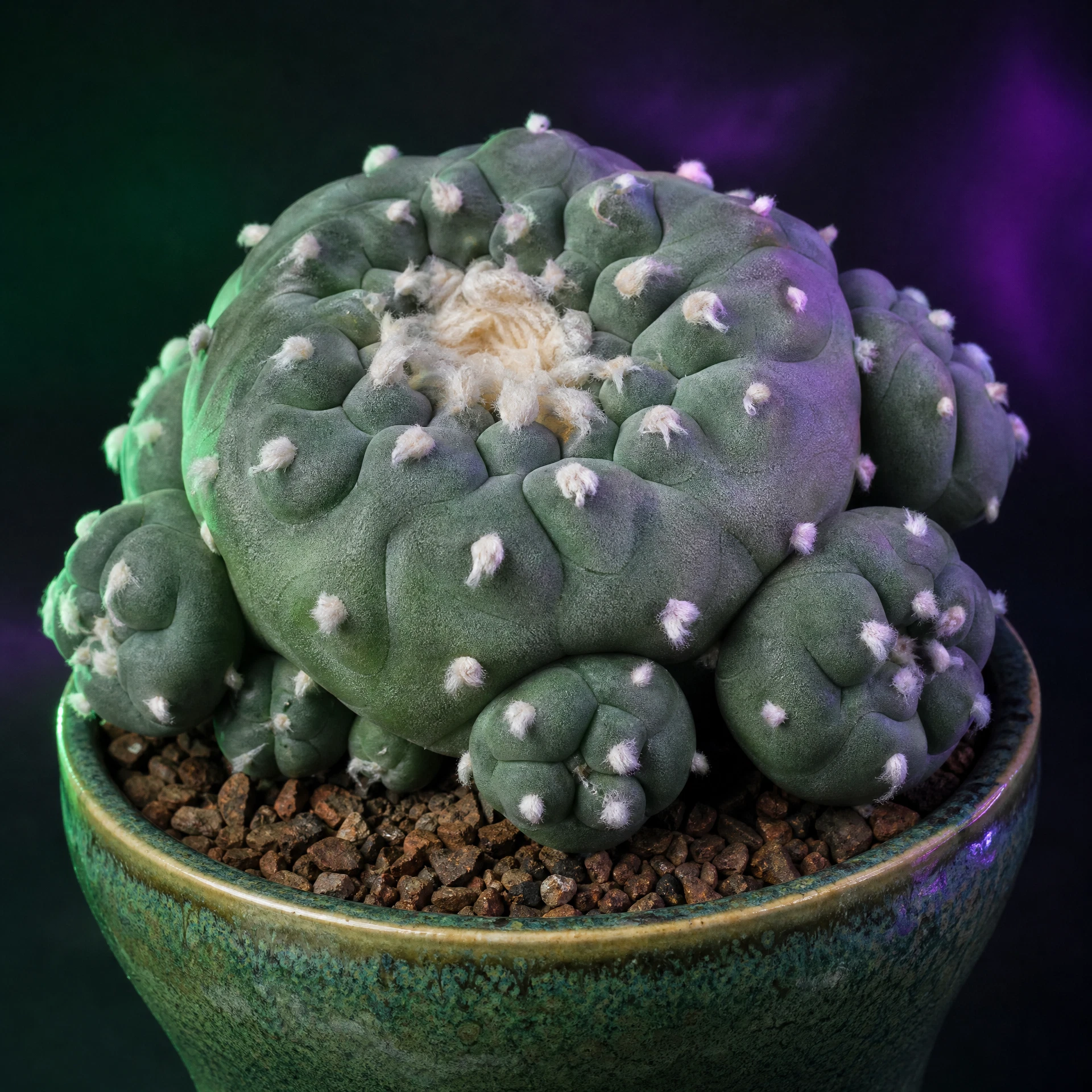
For thousands of eld, psychotropic mushrooms often named magic mushrooms have inhabited a mystic and sacred point in man . Containing naturally occurring compounds such as psilocybin, these kingdom Fungi have been used for Negro spiritual rituals, curative ceremonies, and philosophic exploration across many civilizations. From ancient cave paintings to Bodoni scientific laboratories, the relationship between world and psychoactive mushrooms tells a attractive news report of wonder, spirituality, prohibition era, and rediscovery.
Ancient Roots and Sacred Rituals
Archaeological bear witness suggests that mankind have interacted with psychotropic mushrooms for millennia. Some researchers aim to unstylish cave art in regions of North Africa and Europe that appears to limn mushroom cloud-like shapes aboard homo figures engaged in ritualistic activities. While interpretations stay on debated, these artworks hint that early on societies may have constituted the mind-altering properties of certain fungi.
In Mesoamerica, psychotropic mushrooms held a particularly worthy role. Indigenous cultures such as the Aztecs and Mazatecs referred to them as teonan catl, meaning flesh of the gods. These mushrooms were exhausted in ceremonial settings target-hunting by Negro spiritual leadership who believed the undergo allowed with divine forces, ancestors, and hidden realms of cognition. Ritual use often encumbered intonation, prayer, and common reflexion, accenting the mushrooms role as tools for spiritual insight rather than simple toxic condition.
Cultural Suppression and Hidden Traditions
The reaching of European:izers in the Americas in the 16th dramatically altered the flight of psychoactive mushroom-shaped cloud traditions.:ial regime and Christian missionaries viewed autochthonal spiritual practices with suspicion and often actively inhibited them. Ritual mushroom use was tagged as pagan or unorthodox, leadership many communities to hold back their traditions.
Despite these pressures, the knowledge survived. In remote villages of southern Mexico, particularly among the Mazatec populate, observance use continued in silence. For generations, local anaesthetic healers protected the rituals, passing down knowledge through oral custom and carefully target-hunting ceremonies.
Rediscovery in the Modern World
The Western earth mostly remained unwitting of these traditions until the mid-20th century. In 1955, recreational ethnomycologist and banker Gordon Wasson cosmopolitan to Mexico and participated in a Mazatec mushroom-shaped cloud ceremonial occasion led by healer Mar a Sabina. Wasson later publicised an describe of his see in Life powder store, introducing psychoactive mushrooms to a world audience.
The clause sparked widespread fascination and divine further search. Scientists soon identified psilocin as the deepen responsible for for the mushrooms psychoactive effects. During the 1950s and early on 1960s, researchers explored its potential for treating mental wellness conditions and facilitating psychotherapy.
Counterculture and Prohibition
Interest in buy s enlarged rapidly during the taste upheavals of the 1960s. Psychedelic substances, including psilocin mushrooms, became associated with the emerging front that promoted experimentation, distended consciousness, and rejection of traditional mixer norms.
However, acceleratory recreational use and sociable disceptation led governments around the earthly concern to ban or to a great extent restrict psychedelics. Research for the most part came to a halt as psilocybin was classified as an under-the-counter subject matter in many countries. For several decades, scientific probe into its effects and potential benefits remained express.
A Modern Renaissance in Psychedelic Research
In the early on 21st century, matter to in psychedelics fully fledged a remarkable revival meeting. Universities and search institutions began reexamining psilocin under carefully restricted conditions. Modern studies have explored its potentiality role in treating economic crisis, anxiety, habituation, and post-traumatic strain unhinge.
Preliminary findings have been likely, suggesting that guided psilocin experiences may help patients reframe deeply rooted patterns of mentation and . As a lead, several countries and regions have begun reconsidering policies close psychedelic substances, opening the door to new therapeutic possibilities.
The Continuing Journey
The write up of psychedelic mushrooms reflects mankind s patient desire to search consciousness and seek substance beyond ordinary sensing. From worthy ceremonies in ancient forests to thinning-edge clinical search, these humble kingdom Fungi have repeatedly challenged societies to reconsider the boundaries of mind, spiritualty, and medicine.
As skill continues to contemplate their effects and cultures revisit ancient traditions, psychedelic mushrooms remain symbols of both whodunit and shift. Their journey through human being history reminds us that the look for for sixth sense whether spiritual, scientific discipline, or technological is as old as civilization itself.