
When planning a trip to Serbia, many travelers focus on modern attractions, nightlife, and local cuisine. However, the true heart of the country's capital can be discovered through its remarkable historical landmarks.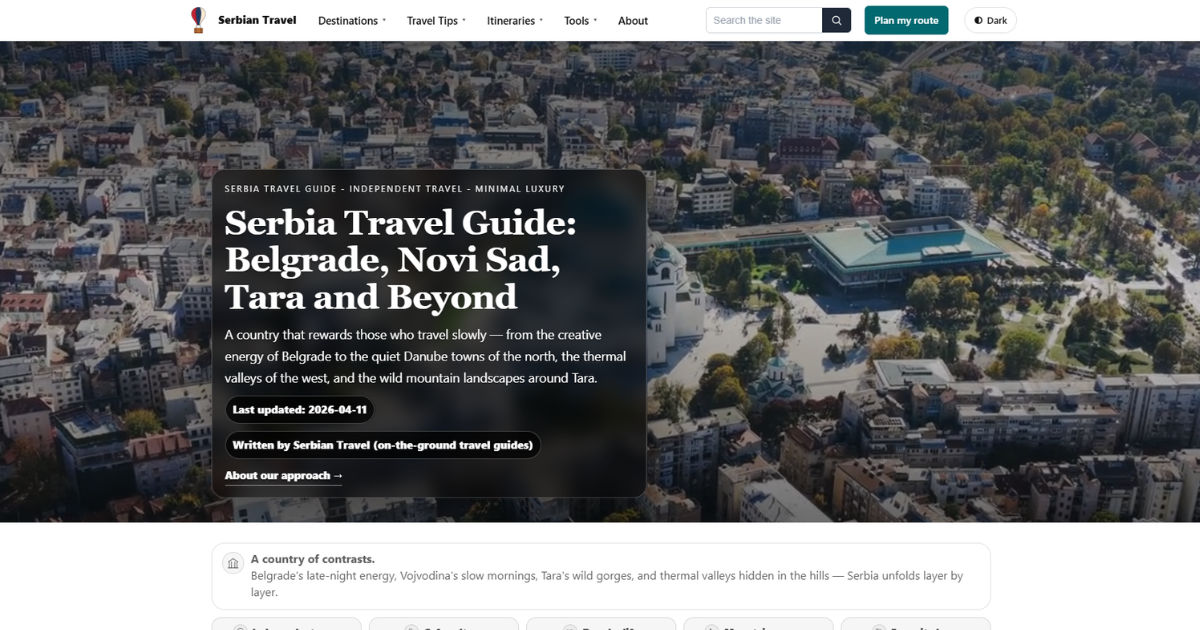
A well-prepared Belgrade City Guide often highlights the city's rich past because Belgrade has been shaped by centuries of cultural influences, military conflicts, and political changes.
Located at the meeting point of the Sava and Danube rivers, Belgrade is one of Europe's oldest continuously inhabited cities. Over the centuries, it has been ruled by Celts, Romans, Byzantines, Ottomans, and Austro-Hungarians.
Each civilization left behind architectural treasures, monuments, and cultural landmarks that continue to tell fascinating stories today.A quality Belgrade City Guide reveals that exploring these historical sites is not just about seeing old buildings.
It is about understanding how the city evolved through thousands of years of history. From ancient fortresses and royal residences to churches and museums, Belgrade offers countless opportunities to connect with the past.This article explores why Belgrade's historical sites are worth visiting and how they contribute to the city's unique identity.
The Historical Importance of Belgrade
A Crossroads of Civilizations
Belgrade's strategic location made it a valuable city for many empires. Positioned between East and West, it became a meeting point for different cultures, religions, and traditions.
Every major period in history left visible traces throughout the city. Walking through Belgrade is like traveling through time. Visitors can see Roman ruins, Ottoman structures, Austrian influences, and modern Serbian architecture all within a relatively small area.
A detailed Belgrade City Guide often emphasizes that few European capitals have experienced as many historical transformations as Belgrade.
More Than Two Thousand Years of History
Archaeological evidence shows that settlements existed in the Belgrade area thousands of years ago. Throughout its long history, the city has survived numerous wars, invasions, and reconstructions.
Because of this remarkable resilience, historical sites in Belgrade tell stories of survival and renewal. Every monument represents a chapter in the city's journey through time.
Kalemegdan Fortress: The Symbol of Belgrade
A Fortress with Centuries of Stories
No Belgrade City Guide would be complete without mentioning Kalemegdan Fortress. This iconic landmark is perhaps the most famous historical site in the city.
The fortress overlooks the confluence of the Sava and Danube rivers and has served as a military stronghold for centuries. Its strategic position allowed various rulers to defend and control the region.
Visitors can explore ancient walls, gates, towers, and archaeological remains that reveal different periods of construction and occupation.
Spectacular Views and Historical Value
Beyond its military significance, Kalemegdan offers some of the most breathtaking views in Belgrade.
Standing atop the fortress walls allows visitors to appreciate both the natural beauty and historical importance of the location. The combination of history and scenery makes Kalemegdan one of the city's most rewarding attractions.
Many travelers using a Belgrade City Guide rank Kalemegdan as the first place to visit because it provides an excellent introduction to Belgrade's heritage.
The Legacy of Roman Belgrade
Discovering Ancient Singidunum
Before Belgrade became known by its modern name, it was called Singidunum during Roman times.
The Romans established a military settlement here because of its strategic location. Today, visitors can still discover traces of this ancient past throughout the city.
Archaeological remains, foundations, and artifacts help illustrate what life was like during Roman rule.
Learning About Daily Life in Ancient Times
Historical sites connected to the Roman period provide valuable insight into ancient civilization.
Visitors can learn about military organization, trade networks, architecture, and daily routines that shaped life nearly two thousand years ago.
A comprehensive Belgrade City Guide often encourages travelers to explore these lesser-known sites to gain a deeper understanding of the city's origins.
St. Sava Temple: A Monument of Faith and Identity
One of the Largest Orthodox Churches in the World
The Temple of Saint Sava is among the most impressive religious landmarks in Europe.
Built in honor of Saint Sava, the founder of the Serbian Orthodox Church, the temple symbolizes national pride and spiritual heritage.
Its massive dome dominates the city's skyline and attracts visitors from around the world.
Remarkable Architecture and Interior Design
The church's exterior is impressive, but its interior is equally breathtaking.
Magnificent mosaics, intricate decorations, and vast open spaces create an unforgettable experience for visitors.
Many entries in a Belgrade City Guide describe St. Sava Temple as a masterpiece that combines religious significance with architectural beauty.
The Historical Streets of Old Belgrade
Walking Through the City's Past
One of the best ways to understand Belgrade's history is simply by walking through its older neighborhoods.
Historic streets preserve the atmosphere of earlier centuries while showcasing different architectural styles.
These areas reveal how the city evolved through various historical periods.
Architecture That Reflects Multiple Influences
The buildings found throughout Old Belgrade display influences from different empires and cultures.
Visitors can observe Ottoman-inspired designs, Austro-Hungarian elegance, and traditional Serbian features all within the same district.
A good Belgrade City Guide often recommends spending time exploring these streets at a relaxed pace.
The National Museum of Serbia
Preserving the Nation's Heritage
Historical sites are not limited to outdoor landmarks. Museums play an important role in preserving cultural heritage.
The National Museum of Serbia houses extensive collections that span thousands of years of history.
Artifacts, paintings, sculptures, and archaeological discoveries provide valuable context for understanding Belgrade's development.
A Journey Through Serbian History
Visitors can explore exhibits covering ancient civilizations, medieval kingdoms, and modern Serbian culture.
The museum helps connect historical landmarks with the broader story of the nation.
Any reliable Belgrade City Guide includes the National Museum as an essential destination for history enthusiasts.
The Royal Heritage of Belgrade
Exploring the Royal Complex
Belgrade also offers opportunities to learn about Serbia's royal history.
The Royal Complex includes elegant residences surrounded by beautiful gardens and landscapes.
These buildings provide insight into the lives of Serbian monarchs and their role in shaping the country.
Understanding Political and Cultural Development
The royal residences showcase architectural styles and decorative arts from important historical periods.
Visitors gain a deeper appreciation for the cultural and political forces that influenced Serbia's development.
A complete Belgrade City Guide often recommends adding the Royal Complex to any historical itinerary.
The Influence of the Ottoman Empire
Centuries of Ottoman Rule
For several centuries, Belgrade was part of the Ottoman Empire.
This period significantly influenced the city's culture, architecture, and urban design.
Although many Ottoman structures no longer survive, their impact remains visible in various parts of the city.
Cultural Contributions That Remain Today
Ottoman traditions influenced local cuisine, customs, and architecture.
Historical sites connected to this era help visitors understand the diverse cultural influences that shaped Belgrade.
A thoughtful Belgrade City Guide highlights the importance of recognizing all historical periods, including Ottoman rule.
Austro-Hungarian Influence on Belgrade
European Architectural Elegance
Belgrade's history also includes periods of Austro-Hungarian influence.
Many buildings from this era feature elegant facades, decorative details, and sophisticated urban planning.
These structures add another layer to the city's architectural diversity.
A Different Perspective on History
Exploring Austro-Hungarian landmarks allows visitors to compare different cultural influences within Belgrade.
The contrast between Ottoman and Central European styles makes the city particularly fascinating.
Many sections of a Belgrade City Guide discuss this blend of influences as one of Belgrade's defining characteristics.
Military History and Wartime Heritage
A City Shaped by Conflict
Because of its strategic location, Belgrade experienced numerous battles throughout history.
Military landmarks, monuments, and museums preserve the memory of these events.
Visitors can learn how conflicts shaped the city's physical and cultural landscape.
Lessons from the Past
Historical military sites encourage reflection on the consequences of war and the importance of peace.
These landmarks serve as reminders of the challenges previous generations faced.
A balanced Belgrade City Guide often includes military history as an important aspect of understanding the city.
Historical Churches and Religious Landmarks
Spiritual Centers Through the Ages
Belgrade is home to many churches and religious sites beyond St. Sava Temple.
These landmarks represent centuries of spiritual life and community development.
Each church reflects different historical periods and architectural styles.
Artistic and Cultural Treasures
Many religious buildings contain valuable artworks, icons, and decorative elements.
Visitors interested in history, architecture, and art often find these sites especially rewarding.
A detailed Belgrade City Guide typically recommends visiting several religious landmarks to appreciate the city's cultural diversity.
Museums That Bring History to Life
Interactive Learning Experiences
Belgrade's museums help transform historical facts into engaging experiences.
Exhibits use artifacts, photographs, and multimedia presentations to tell compelling stories.
Visitors of all ages can benefit from these educational opportunities.
Connecting the Past and Present
Museums demonstrate how historical events continue to influence modern society.
Understanding the past helps visitors appreciate the city's current identity.
Many recommendations within a Belgrade City Guide emphasize the value of combining museum visits with outdoor historical exploration.
Why Historical Sites Appeal to Modern Travelers
Authentic Cultural Experiences
Many travelers seek authentic experiences rather than purely modern attractions.
Historical sites provide direct connections to local culture and heritage.
They allow visitors to understand a destination beyond its surface appearance.
Educational Value
Historical landmarks offer valuable learning opportunities.
Visitors gain knowledge about architecture, politics, religion, and cultural development.
A trusted Belgrade City Guide often notes that historical exploration enriches the overall travel experience.
Unique Photo Opportunities
Historic buildings and monuments provide memorable settings for photography.
Their architectural beauty and historical significance make them popular attractions for visitors.
These locations create lasting memories and meaningful travel experiences.
Preserving Belgrade's Historical Legacy
Protecting Cultural Heritage
Preservation efforts play a vital role in maintaining Belgrade's historical landmarks.
Restoration projects ensure that future generations can continue learning from these important sites.
Conservation work helps protect architectural and cultural treasures.
Supporting Sustainable Tourism
Visiting historical sites contributes to cultural preservation and local tourism.
Responsible tourism encourages ongoing investment in heritage protection.
Many modern editions of a Belgrade City Guide emphasize sustainable travel practices that help preserve historical attractions.
How to Explore Historical Sites Effectively
Take Guided Tours
Guided tours provide valuable context and expert knowledge.
Professional guides can explain historical events, architectural details, and cultural significance that visitors might otherwise overlook.
Visit Museums Alongside Landmarks
Combining museum visits with historical site exploration creates a more complete understanding of Belgrade's past.
Artifacts and exhibits help explain the stories behind physical landmarks.
Allow Time for Discovery
Belgrade's history cannot be fully appreciated in a rush.
Taking time to explore neighborhoods, museums, churches, and fortresses allows visitors to develop a deeper connection with the city.
A practical Belgrade City Guide often recommends dedicating several days to historical exploration.
Conclusion
Belgrade's historical sites are worth visiting because they offer far more than beautiful architecture and famous landmarks. They provide a window into thousands of years of human history, cultural exchange, resilience, and transformation. From the imposing Kalemegdan Fortress to the magnificent St. Sava Temple, every historical location tells a unique story about the people and events that shaped Serbia's capital.
A well-researched Belgrade City Guide consistently highlights the importance of these landmarks because they reveal the city's true character. Visitors can trace the influence of Roman, Byzantine, Ottoman, Austro-Hungarian, and Serbian civilizations while exploring streets, museums, churches, and monuments that have survived the passage of time.
Historical sites also offer valuable educational opportunities, authentic cultural experiences, and unforgettable memories. They help travelers understand not only Belgrade's past but also its present identity. Whether you are a history enthusiast, architecture lover, student, photographer, or curious traveler, Belgrade's historical attractions provide meaningful experiences that go beyond ordinary sightseeing.
Ultimately, the city's remarkable heritage makes it one of Europe's most fascinating destinations. Anyone following a comprehensive Belgrade City Guide will quickly discover that exploring Belgrade's historical sites is one of the most rewarding ways to experience this vibrant and resilient capital.